


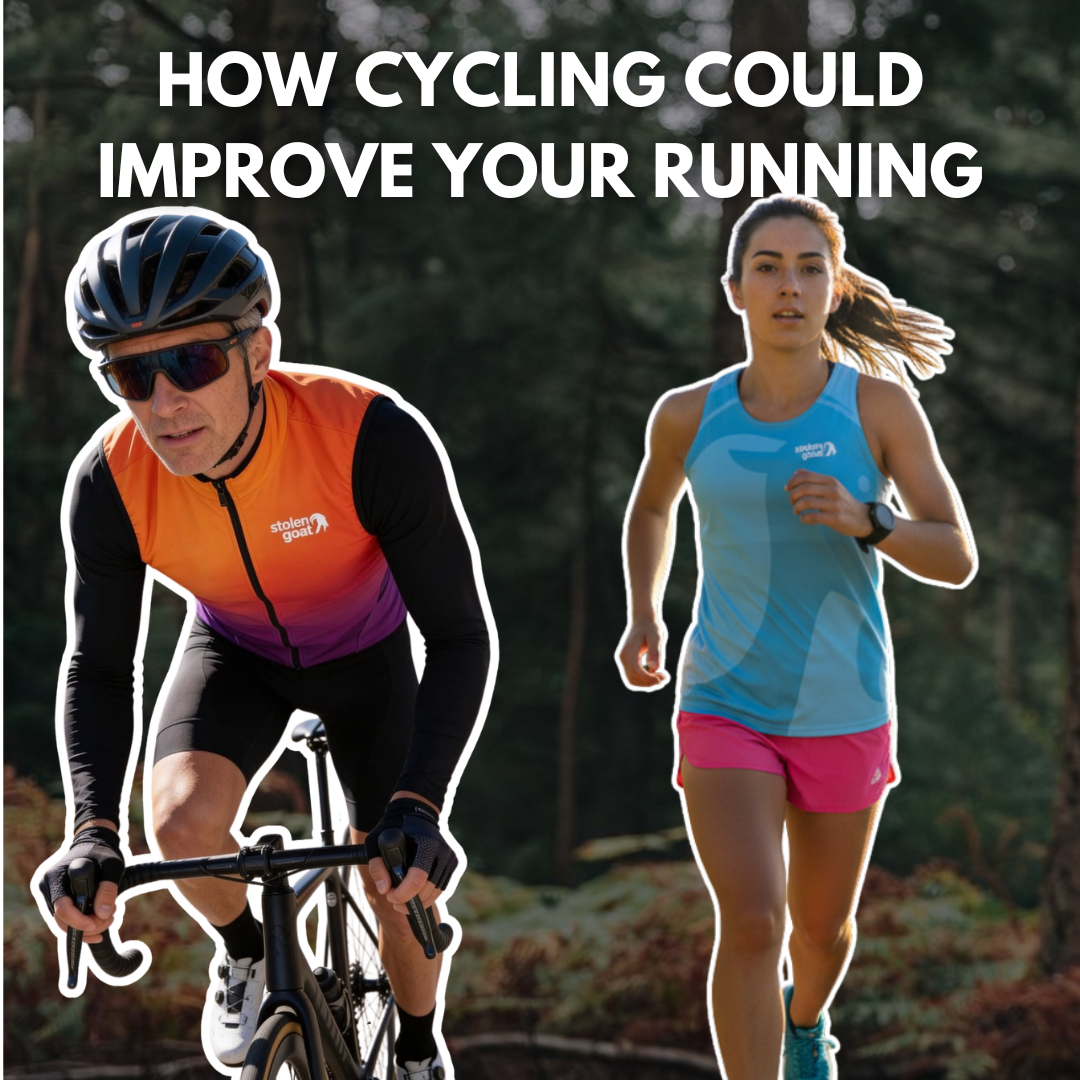
Could cycling help you to become a better runner? It might sound counterintuitive. After all, surely if you want to improve your running you should be focusing your time and effort on running further, faster and more often… right? While hitting your run goals might need to involve some increase in volume and the introduction of targeted intensity work. Simply trying to do more can be a recipe for fatigue, burn out and even injury. Leaving your running goals firmly on the back burner.
This is why many runners introduce cross training: mixing their run workouts with other activities to increase their overall training volume, without risking injury by pounding the pavements more often. There’s evidence to suggest that cycling can play a significant role in improving run fitness and performance. From improving aerobic capacity, building strength, aiding consistency and reducing fitness lost during run injuries. In this post, sports therapist, personal trainer and 6-time Ironman finisher Jen Lucas-Hill takes a deep dive into the benefits of cycling for runners, plus shares some top tips on how runners can get into cycling. And don’t forget, with new run kit and cycling kit in our latest drop – Stolen Goat has you covered whether you’re exploring on two wheels or two feet!
Quick links: Jump to…
Improve your aerobic fitness with lower injury risk by adding cycling into your run training schedule
Aerobic fitness is the key to being able to run further, faster (or both). Establishing a strong aerobic base gives you improved cardiovascular efficiency and oxygen uptake, and a higher lactate tolerance. That raises your ceiling, giving you the scope to hit faster paces. And it also improves your ability to run for extended periods of time before fatigue sets in.
Sounds great, right? But simply increasing your run volume and frequency to chase this aerobic fitness may also increase your risk of injury. That’s because running, at any pace, is a high impact activity (more on this below). Each stride puts significant stress through your bones, muscles, tendons and ligaments. When you increase your weekly running frequency (for example, doing more back to back running days) you reduce the time your body has to recover, rebuild and adapt to the training stimulus. This cumulative load, without adequate recovery, can lead to an increased risk of soft tissue and bone stress injuries. It’s a bit like that scene in Wallace and Gromit where Gromit is having to lay down the train tracks while the train is moving to escape the scary penguin bandit dude. If your training frequency is outrunning your body’s ability to repair and recover, your running train is going to end up well and truly off the rails. So how can you get those aerobic gains, without increasing your injury risk? Enter, cycling.
How cycling can help runners boost aerobic fitness
Cycling is a much lower impact stimulus compared to running, while still engaging very similar muscle groups. Increasing your overall weekly training volume by introducing some cycling sessions as a form of running cross training is a great way to get those aerobic performance gains that will translate into improved running, without putting too much additional strain on your body.
Zone 2 steady bike rides are a low impact, low stress way to build cardiovascular efficiency (learn more in our blog on Zone 2 training). You can also use cycling interval workouts as a way to introduce more high intensity work into your training schedule, with a lower overall risk level. A study which examined the impact of cycling based high-intensity training on physiological and performance adaptations found it was an effective way to improve running performance. Interval work on the bike can help to boost your VO2 max and help your body to become more efficient at using lactate as a fuel source and clearing acidic by-products. The result? Once you lace up the trainers again, your easy long run pace starts to get faster for the same effort. Your run intervals get turbo charged, and your race pace gets into personal best territory. All with a lower overall risk of potential injury, because by utilising cycling as cross training, you’re adding volume without significantly increasing impact and stress. Time to hit the saddle!
The proof is in the peloton
Not convinced that cycling could make you a better runner? Some of the pro peloton have shown just how well cycling fitness translates into foot speed. At the end of 2025, Mathieu van der Poel posted a blisteringly quick 10km time to his Strava, running 33:52 with his splits showing a 16:48 5km time. Former Giro d’Italia winner Tom Domoulin ran a speedy 2:29:21 at the 2025 Amsterdam Marathon. And former Olympic cyclist Emma Pooley made the transition to running and multisport look easy, with a 2:44 marathon in 2013 and multiple successes across long distance triathlon, duathlon and trail running. Impressive stuff!
Active recovery that actually helps you to recover
Hands up, who’s guilty of going too hard on their easy runs? Whether it’s the temptation of a Strava segment, or just the lure of a coffee once you get back home. Running at a genuinely easy pace that can help with active recovery is actually incredibly difficult to achieve. What’s more, running in its nature is a high impact, high load sport. Did you know that when you run, the force that goes through your body with each step can be 2.5-3 x your body weight? Individual muscle groups can take an even higher share of the load, with the calves taking up to 8 x your body weight (source). Running at faster paces increases this force, but even at a slower rate that’s still a solid whack of impact. All of a sudden, that doesn’t sound quite so chilled and restorative.
Active recovery, done properly, can be a great way to stimulate blood flow to your muscles. Alleviating any lingering stiffness, aiding the removal of waste products and speeding up the delivery of repair agents. But the key thing is ensuring your ‘active recovery’ session isn’t just more training load in disguise. Instead of heading out for an extra run, try hopping on the bike for an easy leg spin instead. Not only will it help to speed up your recovery process. It also means you’re not adding unnecessary fatigue. Meaning you’ve got the reserves in place to be able to tackle your key run workouts and put the effort in where it really counts.
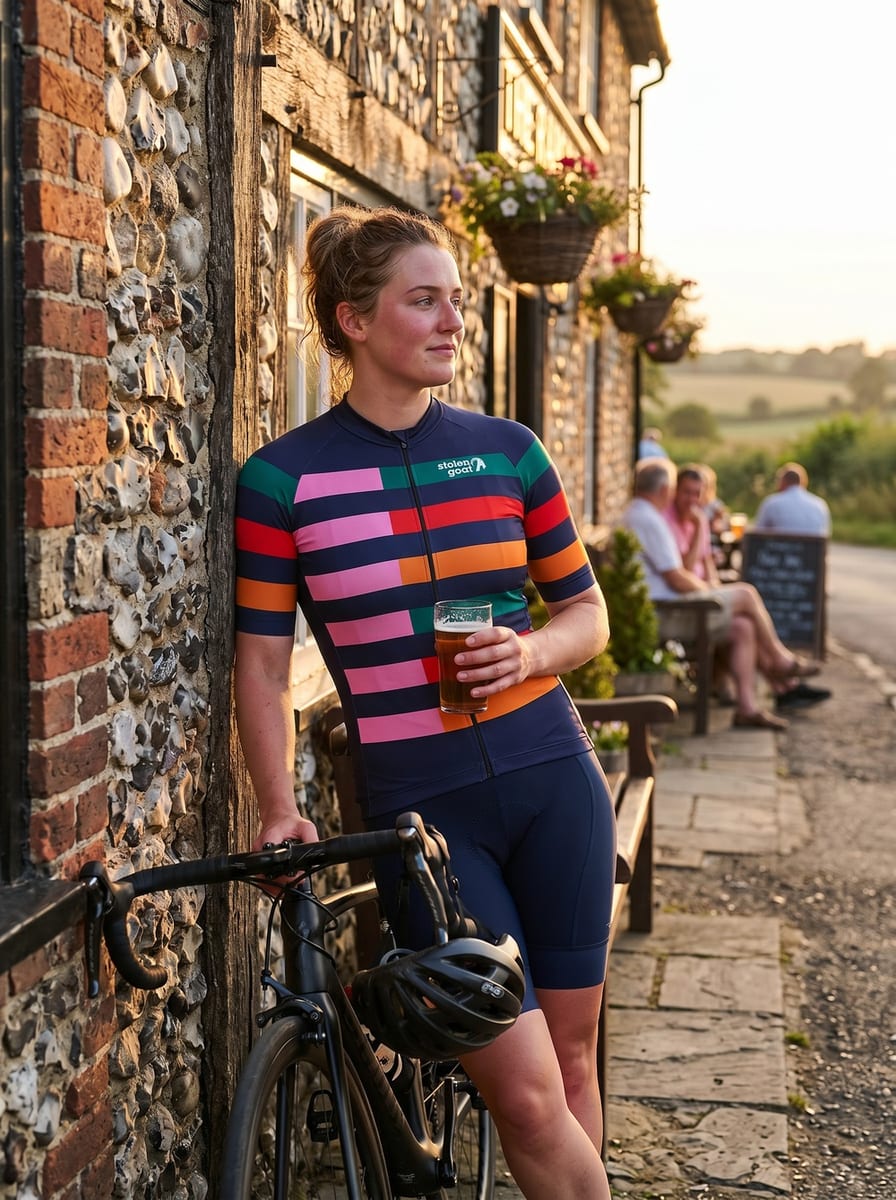
Café ride, anyone?
Damage control: cycling can help to maintain your fitness when injury takes running off the agenda
Sometimes you can do everything right, and still wind up injured. And time off training can leave plenty of us climbing the walls without our regular endorphin kick. But quite often, running injuries can be impact-related. Which means as long as cycling is pain-free and doesn’t exacerbate your symptoms, it can be used as a strong substitute to maintain (and even build) your aerobic fitness and strength while you’re recovering from a run injury. Used as part of a wider rehab program, the low-impact movement of cycling can actually help to speed up the recovery process by stimulating blood flow and keeping the soft tissues mobile – which promotes better healing.
Adventure-ready cycling kit…

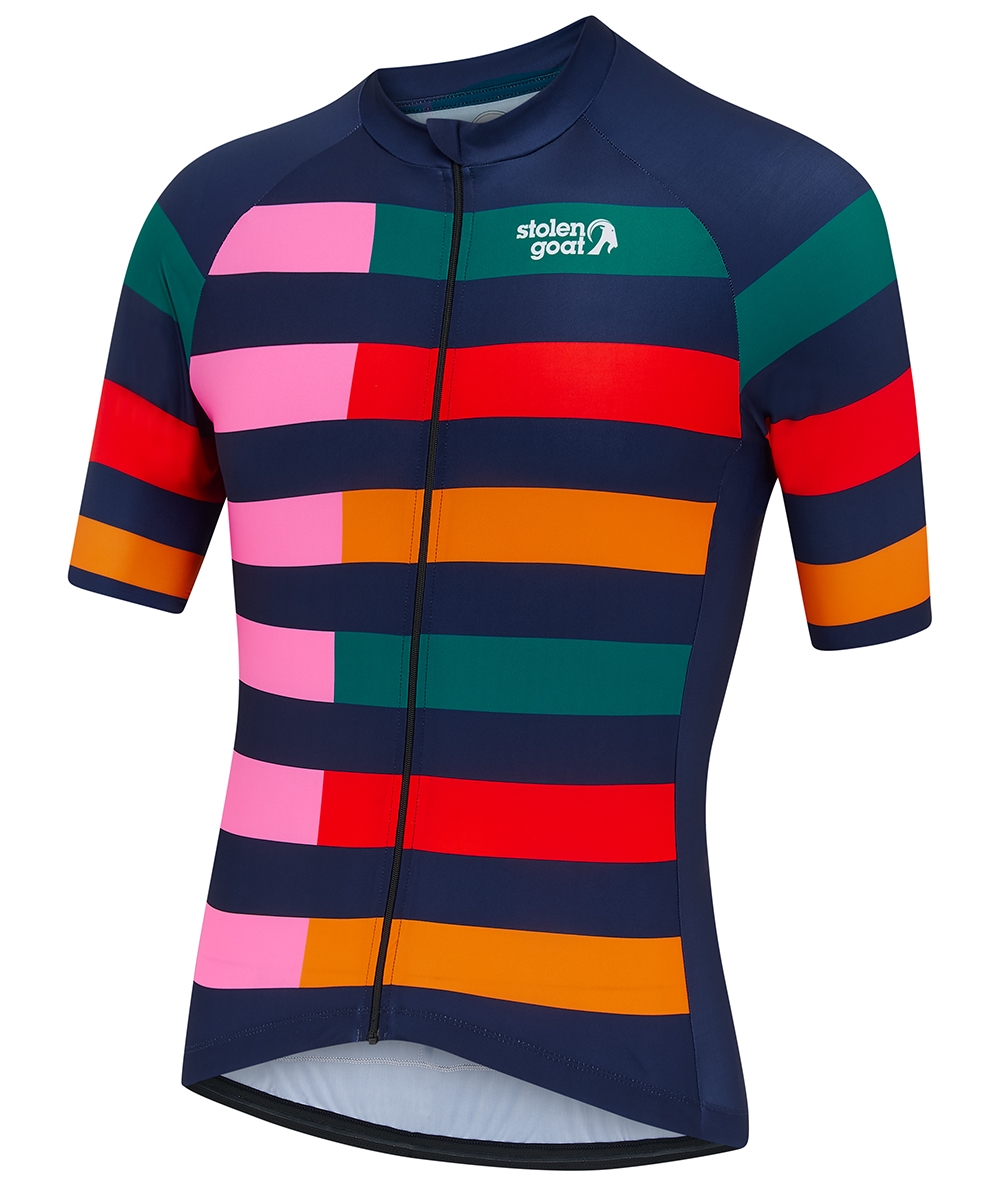


Shop the latest cycling range>>
How to add cycling into your running cross training schedule
By helping you to stay consistent, reduce injury risk and boost your strength and fitness with an alternative stimulus, cycling can help you to improve your running. But if you’re ready to start spending some time on two wheels, how can you start adding cycling into your run training plan? There’s no one size fits all answer here, and if you’re working with a coach it’s well worth discussing your individual schedule with them for optimal results. But below I’ll share some general guidance to help you plan your time.
When to head out for an easy recovery bike ride
First up, let’s talk active recovery. The day after a higher intensity run session is a great time to take a day off running and head out on an easy bike ride instead. Make sure it’s truly easy (no blasting up the climbs or racing for a Strava segment) and focus on keeping your heart rate low, with your legs spinning at a comfortable cadence. 30-60 minutes is ideal to ensure you’re not layering on additional fatigue.
Do: keep it easy, fun and treat yourself to a cafe stop.
Don’t: forget to listen to your body. If total rest feels better, hit the couch instead of the saddle.
The weekend long ride
The Sunday morning long ride is basically a form of worship in the cycling world – a weekly ritual come rain or shine. If you’ve got your key long run on a Saturday, and you still want to get active on a Sunday, resist the temptation to lace up the trainers again and jump on the bike instead. Think of this as an extended version of your active recovery ride: stick to Zone 2, keep it social and use it as a way to top up your easy aerobic volume without too much additional stress.
Should runners do cycling interval workouts?
A study that tasked runners with completing a programme of cycling sprint intervals found improvements in the runners’ 3km time trial times, and an increased time to exhaustion after ticking off the bike workouts. The findings suggest that high intensity intervals on the bike can translate into improved run performance. Now, the body loves specificity – so it’s likely that you’d get better gains from run interval workouts. But, if you struggle to incorporate much run intensity into your schedule without getting niggles or suffering disruptive fatigue. Getting some of your intensity done on the bike can be a great way to vary your training stimulus without raising the overall stress too much.
In terms of fitting in a higher intensity bike session, I’d suggest leaving at least one easier day between a high intensity run interval workout and your bike workout. Ideally with an easy aerobic run the next day, to keep balancing that cumulative load effectively.
Top tips for runners getting into cycling
Ready to get riding? If you’re new to cycling, here are a few top tips to help you make the transition.
Make sure your bike fits
Just like you probably wouldn’t run in shoes that were several sizes too big or too small, it’s important to get a bike that fits you properly. Frame size is a key aspect, with most bike brands giving a guide based on your height and leg length. But how you set your bike up is another consideration, and that can vary depending on the bike you’re riding (for example, a road bike has quite a different riding position compared to a mountain bike). A general rule of thumb is to set your saddle height so that when you’re at the bottom of your pedal stroke your leg is extended without locking out at the knee. You can also adjust the distance between your saddle and your handle bars (the reach). Again, you should comfortably be able to reach the bars and cover the brakes, without having to hyperextend through your back or lock out your elbows.
Get some comfortable cycling kit
There’s a lot to love about cycling, but it’s hard to appreciate all that if your backside is killing you or your t-shirt is sticking to your back like a soggy tissue. You’ll have so much more fun on the bike if you’re comfortable, so consider treating yourself to a good pair of bib shorts and a few cycling jerseys for your cross training adventures.
Not sure where to start? Check out our cycling jersey buying guide and our full Stolen Goat cycling kit range explainer.
Don’t forget to increase your fuel intake
Extra training sessions need extra fuel! A well fed athlete is a strong, happy and consistent athlete. So eat up!
If you’re riding for 60 minutes or longer (or heading out first thing pre-breakfast) consider taking on some carbohydrates during your ride. If you don’t love sports nutrition, real food options like dates (stuff them with peanut butter and a sprinkle of sea salt, you’ll thank me later!), rice cakes and flapjacks are a great alternative. Refuel with a carbohydrate-rich snack within 30 minutes of finishing to top up your glycogen stores, and prioritise getting protein in throughout the day to boost recovery.
Consider your overall training load versus your energy intake too. It can be surprisingly easy to inadvertently slip into underfuelling, which will only hamper your performance (and your general joy de vivre) in the long run.
Keep the cycling sessions fun
If running is your key focus and you’ve got some serious goals to hit, make sure your cycling sessions are all about pressure-free fun. Your cycling cross training for running isn’t about taking on the pro peloton or coming home with PBs after every ride. Save the fire for the run training and let the cycling be your easy breezy escape. Your mind will thank you for it.
Stolen Goat: Your go-to for running and cycling kit
Two sports, one place to shop the lot. When it comes to running gear and cycling kit, we’re all about bringing together bold design and premium performance, with zero compromise on comfort. Whether you’re running or riding, our ranges are made to perform and built to be seen. Join the Herd, stand out from the crowd. Check out some of our trending running gear and cycling kit below!


Read next…
Want more training tips or gear inspiration? You might like these other posts…
- Need to get kitted out for your cycling adventures? Check out our cycling jersey buying guide
- Why running makes you a better cyclist – if a cyclist sent you here to try and convince you to get on the bike, clap back and send them this to get them up and running!
- Marathon running gear guide – if cycling is going to be part of your marathon training, make sure you’ve got the essential gear for race day.
- How to get better at cycling up hills, for top tips from an expert cycle coach.