




Chafe turning your run dreams into a nightmare? With top tips from sports therapist and 6-time Ironman finisher Jen Lucas-Hill, we’re here to help you keep the dreaded chafe at bay so you can run comfortably, mile after mile.
When you start training for a marathon or another long distance running event, there are the things you expect to hurt. Sore muscles, tired feet and let’s not get started on the blister and toe nail situation. But something that can take plenty of runners by surprise is chafing. Ever got back from a long run and stepped into a blissfully hot shower only to find yourself squealing louder than Baby Nik the goat that time we made him go swimming? That’s the hot water finding all your unexpected sore bits for you. Because while chafe might sound pretty benign, it can actually be rather painful.
The good news is uncomfortable chafing doesn’t have to be just an accepted part of long distance running. With the right gear and a few tried and tested tips, you can run smooth in more ways than one. Keep reading to find out how to prevent chafing when running, and how to treat any sore bits if chafe happens.
Why do runners chafe?
Chafing is where the skin becomes sore and irritated due to repetitive friction. It’s a common issue for runners, because the repetitive movement of running creates prime territory for clothing to rub, and that’s only exacerbated by sweat which can further weaken the skin barrier. The average runner is doing around 150-170 steps per minute, with a similar number of arm swings. That’s plenty of opportunity for areas such as the inner thighs and the arm pits to chafe skin-to-skin. And once you add in any sort of abrasion from the fabrics you’re wearing (such as raised seams or harsh material) things can get pretty sore, pretty quickly – especially as the miles add up.
When you’re training for a long distance event like a marathon, chances are you’re also running multiple times per week. That means already delicate and damaged skin is getting irritated over and over again, without much time to heal in between. That’s why choosing the right gear for training and for race day is essential.
Why is chafing so painful?
Of all the things to derail your marathon effort, you wouldn’t expect it to be a bit of chafe. But it can be surprisingly painful! It’s important to remember that chafing is essentially a friction burn, damaging the top protective layer of your skin (the epidermis) and exposing the highly sensitive secondary layer (the dermis). While you’re running, salt in your sweat can further exacerbate the stinging/burning sensation. Not ideal! Chafe also usually happens in areas where your regular clothes are going to come into contact with it regularly, too. So while it might not sound like that much of a big deal, chafe can be both painful and inconvenient.
How to prevent chafing while running: what to wear and other tips to protect your skin
Run training is tough enough without chafe spicing things up even further. So let’s dive into how to avoid chafing in training and on race day.
Best running gear to prevent chafing – what to look for
First port of call is your running gear. It can be tempting to keep reusing that random scratchy finisher tee you got several years ago… but upgrading your run kit could seriously level up your comfort levels.
Running tops:
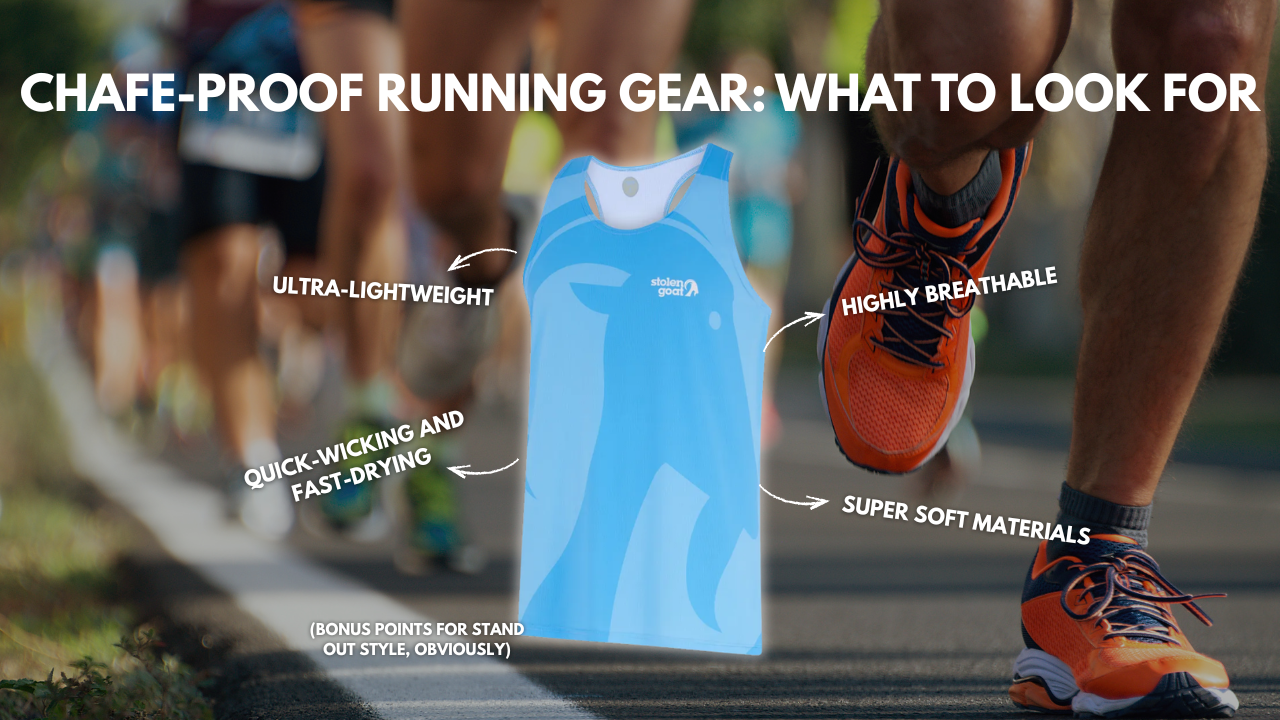
Look for running tops that are lightweight and breathable. Moisture from sweat only exacerbates chafe, so it’s important your gear can wick sweat away from your body and dry quickly. The fabric should feel silky soft against your skin. Anything remotely scratchy or abrasive is going to feel 10x worse 10 miles in. Check the seams under the armpits, around the neckline and across the shoulders, too. Ideally you want seam-free or flat seam constructions to minimise friction.
Our latest range of Stolen Goat run tops have been designed specifically with comfort in mind. So lightweight you’ll forget your wearing them, and built to keep you comfortable even on the toughest long runs.


Running shorts
The best running shorts to prevent chafe can vary from person to person. Some people prefer a loose, flowing short so there’s very little in the way of tight fabric around the groin and inner thighs. Others prefer more of a ‘cycling short’ tight fit, to prevent the skin of the inner thighs rubbing. If you go for the latter, it’s important to find running shorts that don’t ride up as soon as you get moving. Otherwise you’re just going to have bunched up fabric digging in and creating more friction.
Whatever your short style of choice, make sure the waist band fits comfortably: it should stay put (so it’s not going to move around) without digging in. Look at how the seams have been stitched around the groin area – a poorly placed and/or raised seam here can get very uncomfortable, very quickly. If you know, you know. And if you don’t know… you don’t want to find out.
Top tip: If you’re planning to carry your nutrition and any other essentials in your shorts pockets on race day, make sure you’ve tested this out in training as you’ll want to make sure this doesn’t cause any unexpected digging in or pulling.
How to stop your sports bra from chafing
Sports bras can be a common chafe culprit. It’s important to find a sports bra that supports your chest, without being overly tight around the shoulders or the underband. Adjustable straps can be useful so you can tailor the support without the whole garment being overly restrictive. Some women also find a racer back style sports bra can help to reduce chafing around the arm pits as there’s more space between the skin-fold area and the straps. You can also use barrier creams/lubricants such as a bodyglide on any high friction areas (more on this below).
Use a barrier cream/lubricant
Applying chamois creme is almost second nature for most cyclists. And most open water swimmers wouldn’t dive in without first popping a layer of wetsuit lube around their neck to prevent the telltale neoprene-induced lovebites. So runners, take note: it’s time to lube up!
A topical barrier cream/lubricant (such as Bodyglide or vaseline) can work wonders for preventing chafe. Bodyglide (or similar stick-based products) are useful for quick applications on the go, but a good old fashioned tub of petroleum jelly will also do the trick. Apply a layer to any high friction areas. That includes around the waist band of your shorts, on your inner thighs, under the band of your sports bra (or heart rate monitor if you use a chest strap)… and yep, on your nipples too. We’ve all seen the bleeding nips pics from some of the major marathons! Applying a barrier cream will help you to avoid ruining your favourite running top.
Other tips to avoid chafing during a marathon
Take care pinning your race number on. Don’t leave it until the last minute to attach your race number to your running top. Give yourself plenty of time to make sure the safety pins aren’t going to rub, and check the positioning doesn’t cause your running top to bunch up.
Test your race day kit in training. This is particularly important if you’re running for charity and you’ve been supplied with a top to wear on race day. Whatever you plan to wear during your marathon, make sure you’ve tried it on at least one long run so there’s no nasty surprises. Sometimes charity-supplied running tops can be a little scratchy and uncomfortable, so consider whether you might want to add a base layer to avoid chafe.
How to avoid unexpected chafing in hot weather
Humidity: the thing that can turn your tried and tested chafe-proof running gear against you. If you’re training or racing during the summer months, chances are you’re going to have to tick off some miles in hot conditions. Heat increases your sweat rate, but humidity really ramps things up because it makes it far harder for that sweat to evaporate. Which is why when the humidity is high, you might notice you return from your long run with chafe in all manner of unexpected places.
When the temperatures soar, alongside making sure you’re upping your hydration game and using a sports-specific sunscreen, make sure you also get nice and liberal with the bodyglide/barrier cream and stick to ultra lightweight running gear (our running vests for men and women are perfect for hot conditions).
How to treat chafing after running: quick tips
- Gently clean the affected area. Use a mild, unscented soap and pat dry with a clean towel.
- Apply a soothing cream or lotion. Avoid harsh, strongly scented body lotions. Opt for something gentle instead. Top tip: aftersun products can work wonders here!
- Let it breathe. If possible leave the chafed area uncovered so it can air out, or at the very least where loose clothing.
- Take preventative measures before your next run. Apply a barrier cream and consider switching your gear to make sure you’re not going to be exacerbating any chafed areas.
Check out the Stolen Goat running apparel
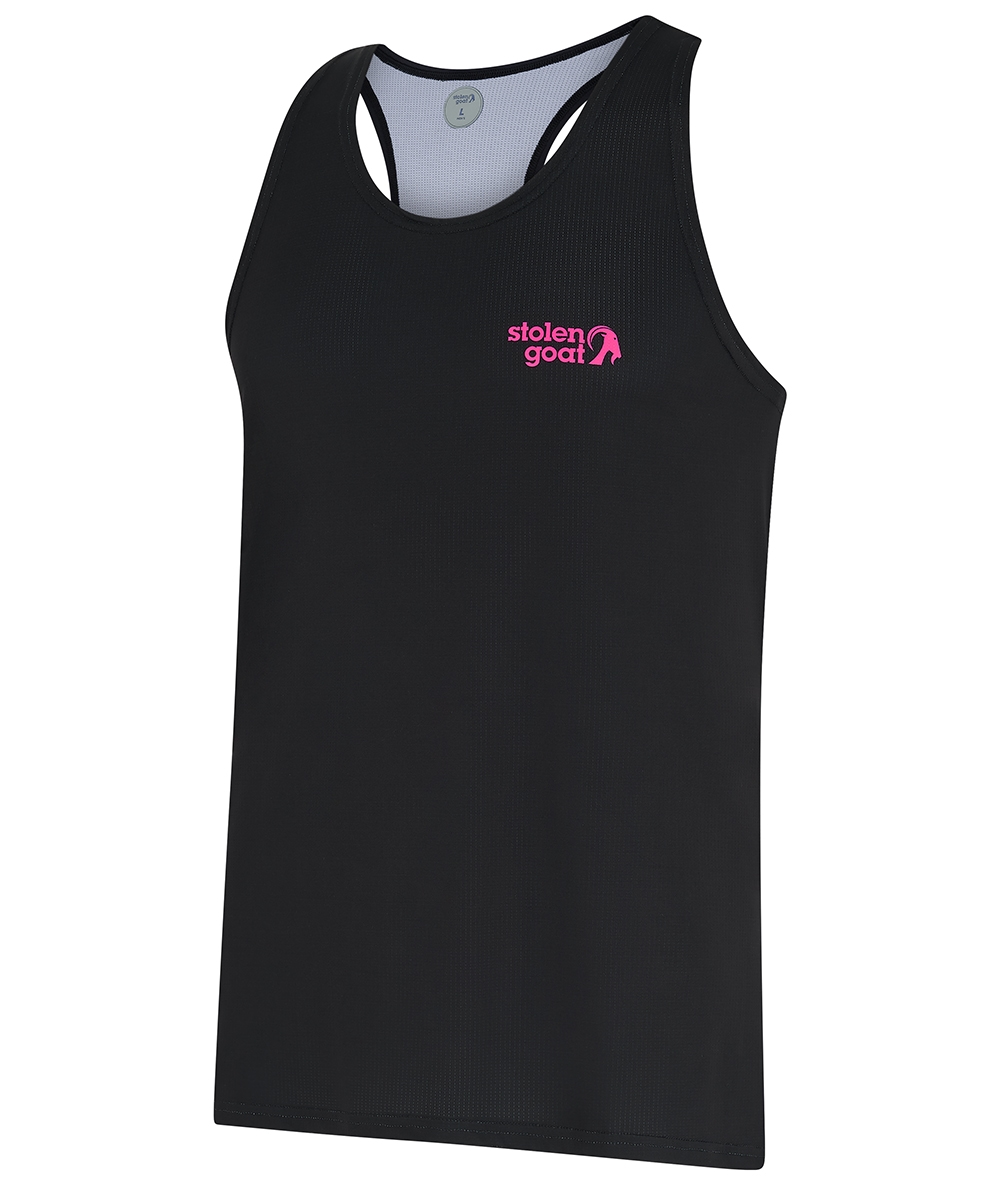
Same Goat: different sport. The Stolen Goat run range brings the attention to detail and stand out style of our cycling gear to help runners get the most out of every mile. Super soft, ultra-lightweight and breathable our running apparel is made to go the distance. Check out some of the latest drops below or CLICK HERE to browse the full Stolen Goat running kit collection:



Quick recap/FAQs
- What causes chafe while running?
Chafe is caused by friction during the repetitive movements of running, either from clothing or skin folds. Moisture and salt from sweat weakens the skin barrier making chafe more likely. - How to avoid inner thigh chafe?
Choose cycling short-style running shorts (or flowy shorts with a tighter inner layer) to prevent the skin of your thighs rubbing together, and consider applying a barrier cream such as Bodyglide or vaseline to reduce friction. - How can marathon runners avoid nipple chafe?
Wear a lightweight, super soft running top to minimise friction from abrasive fabrics, and apply barrier cream liberally prior to the race start. Be mindful of where you pin your race bib onto your top, too, as safety pins can create unexpected chafe. - What to look for in the best running gear to prevent chafing?
The best chafe-proof running gear needs to be lightweight, breathable and constructed from quick-wicking and fast-drying fabrics. This will help to minimise friction and reduce moisture – both of which contribute to chafe. Keep an eye out for flat-locked seams or seam-free constructions, too.
Get more running tips and gear hacks
- Check out our marathon gear guide to make sure you’ve got everything you need before you hit the start line.
- Find out why cycling could make you a better runner.
- Need help convincing your Herd to get into running? Send them our tips on how to start running for beginners!