


Marathon season is here! And given that last year over 1.1 million people threw their name in the hat for a shot at running the London Marathon, it looks like more of us are choosing to lace up our running shoes and take on the iconic 26.2 mile distance than ever. With the London Marathon and other popular races right around the corner, chances are you’ve got the mileage ticked off and you’re well on your way to being ready for the start line. With your run fitness in the bag, it’s time to start thinking about your race day gear!
So what running kit do you need for a marathon? In our marathon running gear guide, we’ll talk you through all the essentials so you can get your race kit sorted. You can also jump straight to our race day check list to make sure you don’t forget anything on race morning!
Jump to…
Essential gear for running a marathon
We’ll move onto some of the optional (but very useful) extras later, but first here are the essential bits of kit you’ll want to make sure you have locked and loaded (aka, tried and tested in training) ready for race day! (Aside from running shoes… we assume you’ve probably got those covered.)
Running tops: Why your marathon race day running top needs to look as good as it feels
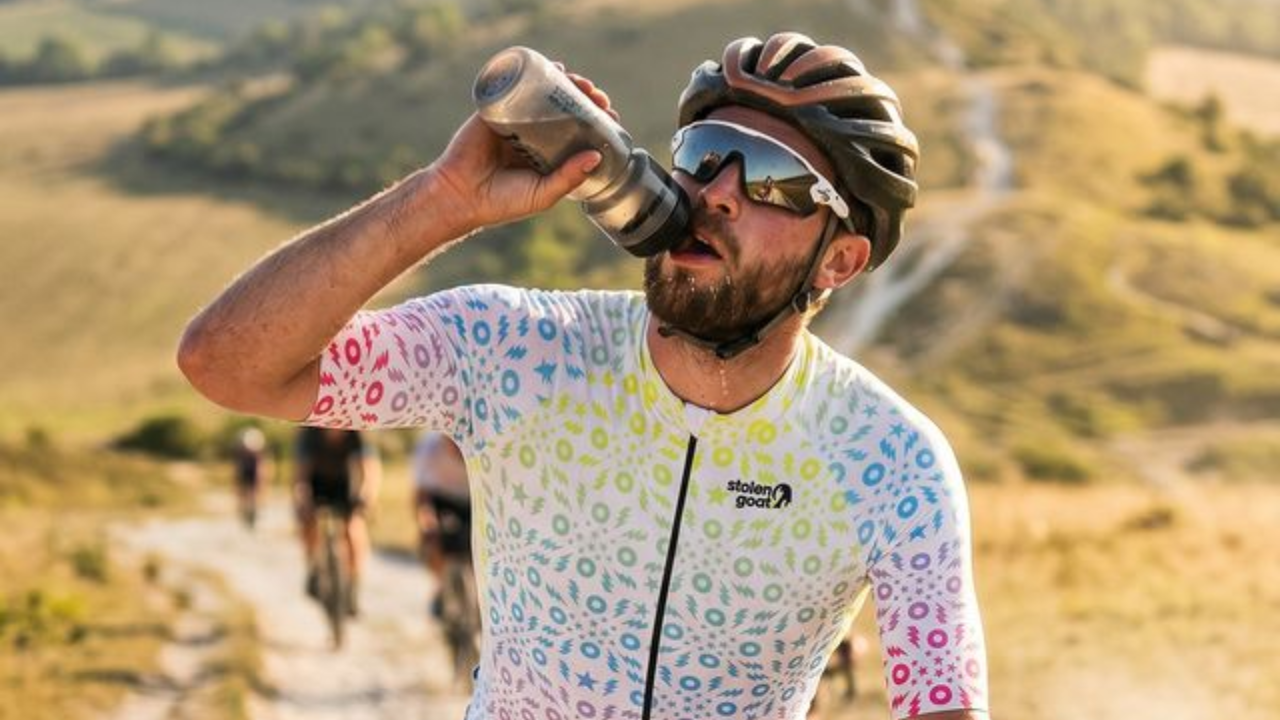
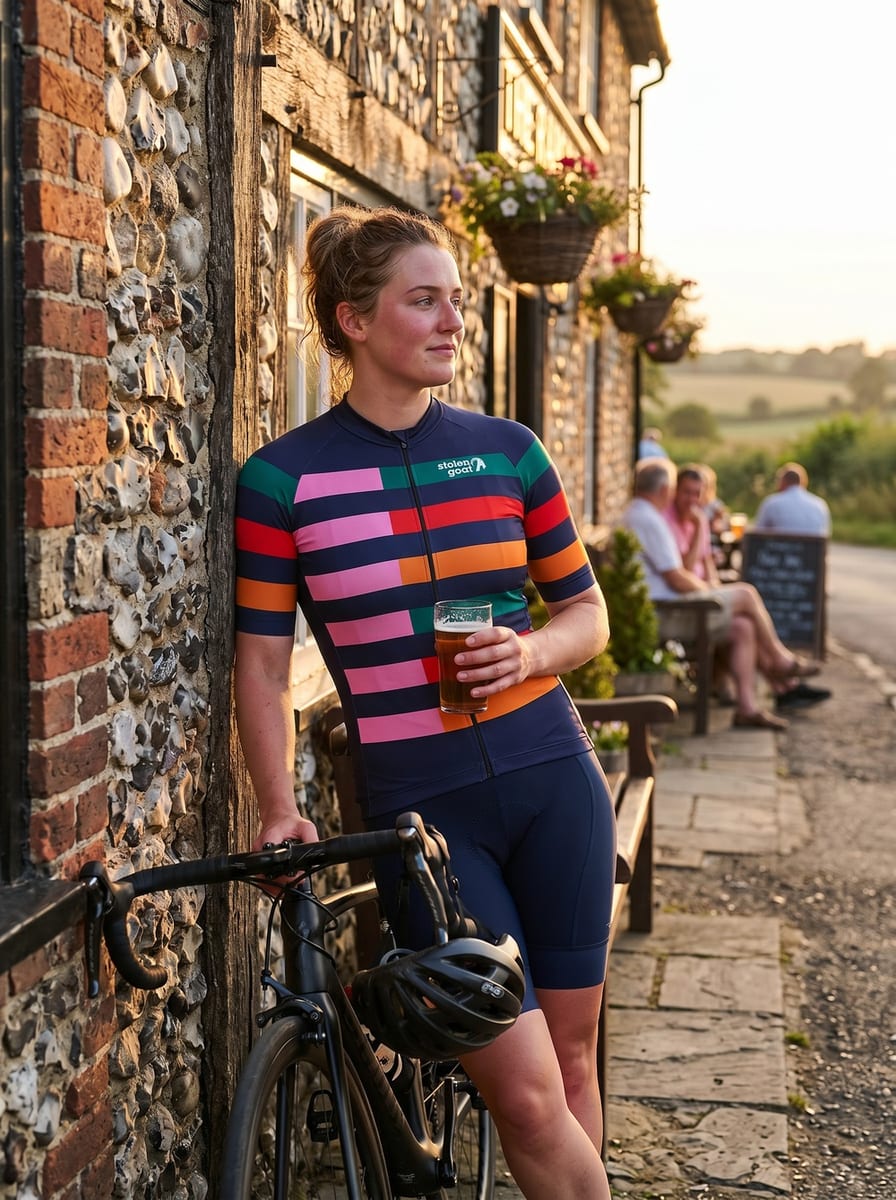
Obviously if you’re going to run 26.2 miles wearing something, you need it to be comfortable. But keep in mind, your running top of choice is also what’s going to help your friends/family/cheer squad pick you out in the crowd on race day. Our suggestion? Go bold and bright! Check out our range of eye-catching run top designs for men and for women.

Beyond the design, make sure your run top of choice is lightweight and breathable. This will help to keep you cool, it’ll also help to reduce the likelihood of painful chafe. A soggy, heavy running top that clings to your skin is a recipe for chafe-induced misery!
Top tip: if you’re running for a charity they might provide you with a t-shirt or a vest to wear. Test it out before race day to make sure it hasn’t got any scratchy seams, and consider wearing a base layer if you need to in order to minimise chafe.
Running shorts or tights
Choose your shorts or tights with enough time to test them out on one of your longer runs before race day. Look for options with flat-locked seams, breathable fabrics and features like v-cut side vents for solid range of motion. Pockets are also a plus for carrying your race day nutrition, though we’ll share a little triathlon-inspired hack for that later!
Socks that make running feel seamless
The only thing worse than chafe in a marathon? Blisters. Shoe choice plays a big part here. But don’t forget about your socks, too. Socks that are too thick or lack breathability will create hot spots which can quickly turn into blisters. Likewise, socks with scratchy raised seams will soon start to rub your hooves raw after a few miles on the race course. Choose sports-specific socks made from highly breathable, wicking fabric – ideally with a seamless toe box to minimise irritation. Our printed socks might have been built with cycling in mind, but the Y-shaped heel, lightweight fabric and the seamless toe section also means they’re excellent for running adventures, too.
Sports bra
Ladies, hopefully you’ve treated yourself to a few decent sports bras for all your training runs. But if not, here’s your sign to make sure you are as comfortable as possible on race day – a marathon is hard enough! Your sports bra should be supportive, without feeling like it’s restricting your breathing. Look for wide underbands, bonded seams and soft inner fabric to balance support with comfort.
As someone more on the itty bitty side, I personally get on really well with the Adidas pocket sports bra (mine even stood up to the test of the Ironman Kona marathon), which alongside being comfortable also has some neat little pockets on the front to store your nutrition. For those blessed with a little more chest, Maaree’s range of high impact sports bras get rave reviews – their founder Mari decided to start the brand after struggling to find the right support she needed for playing hockey, despite testing out multiple big name brands under lab conditions.
Like all marathon running gear, do make sure you have time to test out any new sports bra in training to check you’re comfortable.
Anti-chafe balm/lotion
Lube up, we’re going marathon running! Anti-chafe is your secret weapon for race day comfort. You can use petroleum jelly or stick formulas (like Bodyglide). Apply it liberally pre-race to areas like your inner thighs, arm pits and anywhere you have seams that could start to rub (such as your shorts waistband and sports bra underband). And yes, for those who don’t need to wear a sports bra… it can be a good idea to pop some on the old nips too. We’ve all seen enough photos of people with red stained shirts to know what I’m getting at!
Nutrition
Hopefully you’ve done plenty of testing in training to work out which sports nutrition products work for you and to train your gut to tolerate your target carbohydrate intake. Resist the temptation to introduce anything new at the 11th hour, unless you’ve got time to test it on at least 2 or 3 long runs. GI distress because you’ve been lured in by the claims of a fancy-sounding nutrition product at the expo is a great way to throw away your months of hard work and spend most of your race diving into the loos!
Locked in your nutrition of choice? Before race day, take the time to sit down and work out how much you need to carry with you to hit your target intake. It’s worth having a little extra as a contingency in case you drop anything, or you end up being out there for longer than planned.
Sports-specific sunscreen
Spring marathons can bring a whole host of changeable weather conditions. But keep in mind, whatever your target finish time, once you add in the time spent lining up in the start pens – you’re going to be out in the elements for a significant period of time. Even if it’s not sunny on race day, wearing sunscreen is a must to protect your skin. Go for a long-wear, sports-specific option that is sweat- and water-resistant.
Added extras for marathon runners
Beyond the essentials, here are the other added extras we’d be packing in our race bag…
Heart rate monitor
Many runners choose to use pace as their key metric during training and racing. But I’d always suggest using heart rate in tandem – here’s why:
- GPS drop out can make pace unreliable on race day. Big, city centre marathons with tall buildings and several thousand runners all trying to get a GPS signal can turn your trusty running watch of choice into an unreliable narrator. Your pace data might become intermittent, or it might start reading way too fast or slow. That can quite quickly tank your race plan if you haven’t got a back up. Enter, heart rate data. Use your last few training runs to understand what heart rate corresponds with your target race pace. On race day, if your watch pace is all over the place you can run to heart rate instead and be fairly confident you’re not over- or undercooking the effort.
- Heart rate gives you real time feedback on how your body is performing on the day. Your performance capacity can be impacted by so many factors. Heat and humidity, hormones, fatigue, nerves. That can mean come race day the pace you ‘should’ be able to hold might not quite match what your body has to give. Use heart rate data to sense check your pace. If your heart rate is way too high for the effort, you can dial it back and ensure you still have a positive experience (without blowing up). Likewise, if the rest you’ve had during taper has unlocked that extra 1% and you feel epic, you can use your heart rate data to see if you can push on a bit harder than planned.
Running sunglasses
Not an essential, but for bright sunny days they’ll make things more comfortable. Plus, they come in handy for making sure your friends and family can’t see the haunted look in your eye when you pass the 20 mile mark and realise you still have two entire parkruns-worth of running to go. Whose idea was this marathon thing again!?
How to carry your marathon nutrition without a running back pack: Triathlon race belt
Triathlon gear is for life, not just for shuffling to the finish line after a few too many miles of swimming and biking! Some of the larger marathon events won’t allow you to use a running backpack. Which can make carrying all of your gels/nutrition tricky. Double check the specific rules for the race you’ve entered, but you should usually be allowed to wear a race belt instead. These come with gel loops or small pockets to help you carry all your nutrition.
Pre- and post-race essentials – what else to take to your marathon event
Beyond what you’ll wear and what you’ll need for the race itself. It’s also worth thinking about what you might want with you before and after. Here’s a few top tips based on several years of toeing various start lines!
Pre-race gear
There can be quite a bit of time between dropping all your stuff at the bag drop, and actually crossing the start line. Keep a water bottle and any final pre-race nutrition with you so you can top up before the start (a gel 30 minutes before go-time is a great way to start fuelled). It might be chilly while you wait in the start pen, consider wearing a lightweight layer you don’t mind losing (some races have collection points to donate these to charity) or cut a head hole in a large bin bag to act as a windbreaker. Oh, and at the risk of being vulgar. The closer you get to race start, the less likely it is there’ll be any loo roll left in the toilets… you’ll only need to learn that the hard way once before you start carrying your own emergency stash!
Post-race essentials
Well look who just ran a marathon! Pack some warm clothes in your bag to change into after the race. Once the adrenaline burns off, you might find you start feeling cold and shivery. Plus, it’s nice to have something other than the sweaty gear you just ran 26.2 miles in. Some baby wipes are a great idea to get the worst of the sticky, salty, sweaty stuff off before you can treat yourself to a proper shower. It’s also highly likely you’ll want to get your running shoes off your feet as soon as possible. Don’t underestimate how insanely comfortable a pair of sliders will feel after running a marathon. Free those hooves.
Quick-fire race day checklist for your next marathon
Banish race day stress and last minute panic purchases! Bookmark this article and screenshot our check list to make packing for your next marathon easy breezy.
Marathon race day checklist
- Race number (and/or ID to collect your race pack)
- Running shoes
- Running outfit of choice (top, bottoms, socks)
- Heart rate monitor and running watch (plus charge cables if you’re travelling!)
- Pre- and during race nutrition and hydration
- Anti-chafe
- Sunscreen
- Sunglasses
- Pre-race ‘chuck-it’ layer (or bin bag)
- Post-race warm clothes
- Comfy sliders
- Emergency loo roll
Get more running tips
Looking for more running inspiration? Grab a coffee and read:
- Our beginner guide to getting into running – whether you’re dreaming of doing a marathon or eyeing up your local parkrun, find out how to take the first step!
- Why running might make you a better cyclist. For those of you who aren’t quite convinced it’s time to lace up and jog on!
Shop the Stolen Goat running gear range
Whether you’re training for a marathon, exploring the trails less trodden or just lacing up and heading out to get some time in the great outdoors. The Stolen Goat Run collection is ready for it all. Premium quality, run-ready performance and of course – a splash of Stolen Goat style. Tap the buttons below to see what’s new…