


Need a bit of cycling inspiration? Our pick of the ultimate cycling routes and climbs to ride before you die will have you ready and raring to plan your next bike adventure…
The world is full of wonders. And while you can certainly appreciate awe-inspiring scenery and ‘the camera just doesn’t do it justice’ landscapes from the comfort of a coach or a gondola window. There’s something special about experiencing a landscape by cycling through the very heart of it. Feeling it’s punishing inclines and rewarding descents firsthand. Embracing the elements it throws at you, come rain or shine. Looking back at the mountain you just rode up and saying ‘I did that.’ When you choose to adventure on two wheels, it becomes more than just a bike ride, and it goes beyond just seeing a landscape. It becomes a story you’ll tell time and time again. A memory that’ll last a lifetime. And it gives you a sense of accomplishment that’ll stick with you long after you’ve unclipped from the pedals.
Whether you’re planning your next cycling trip with gusto, or just looking for some inspiration to add to your ‘maybe some day’ list. We’re bringing you our pick of the most epic cycling climbs and routes that we think deserve a spot on every cyclists’ bucket list.
Iconic cycling climbs
Naturally, we’ve got to jump straight in with our pick of the best cycling climbs. For those of you not looking to embrace your inner mountain goat, we’ll have other routes with less of an emphasis on ‘up, up, up!’ later in this article – so keep reading!
From World Tour favourites, to the rite of passage passes in the cycling mecca that is Mallorca. Here’s what’s on our elevation gain to-do list.
Alpe d’Huez
Location: Auvergne-Rhône-Alpes, South-East France
Distance: 14km
Total elevation gain: 1122m (8% average gradient)
Best time of year to ride: June or September
Let’s get this show on the road with a Tour de France icon! Host to the first ever mountain top TdF finish in 1952, Alpe d’Huez has set the stage for plenty of blistering showdowns over the years. Ride in the tyre tracks of legends as you take on the infamous 21 hairpin bends on this tough, but relatively achievable climb. The worst of the gradient comes early on, so pace it well and you’ll have no trouble reaching the top.
Good to know: July and August are the busy tourist seasons, so if you’d prefer a more chilled out experience consider visiting in the shoulder months of June and September when traffic is likely to be a little less hectic.
Mont Ventoux
Location: Provence, South of France
Distance: ~21km
Total elevation gain: 1594m
Best time of year to ride: Late spring/early Autumn
The Giant of Provence stands stark and looming, beckoning intrepid cyclists to tackle it’s gruelling summit and driving winds. You’ll start by rolling through vineyards before disappearing into the dense forests where the gradients really start to ramp. This beast of a climb rewards those who can keep their pace under control early on. The final 6km of limestone landscape is harsh and exposed, with battering winds as you climb the final metres to the iconic weather tower at the summit. Already a Tour de France legend, Ventoux set the stage for some seriously fierce Femmes action in stage 7 of this year’s Tour de France Femmes avec Zwift (2026).
Good to know: the upper summit roads (closed in the winter months due to icy conditions) usually fully re-open by the middle of May, so heading out in either late May or early June is a good idea to experience the climb before the scorching heat and crowds arrive in high summer. Just be aware that temperatures up top will still be pretty nippy, so pack appropriate layers. September or early October can also be a great time to ride Ventoux, as the weather will be pleasant and the crowds will have thinned. But don’t venture too late into autumn as that’s when conditions get changeable and the winds pick up significantly.
Passo dello Stelvio
Location: North Italy
Distance: 25km
Total elevation gain: 1,843m
Best time of year to ride: June / September (or on Stelvio Bike Day in August)
The Stelvio Pass is a climb of legends. The highest mountain road in Italy and one of the highest climbs in the Alps, the summit sits 2757m above sea level. First featured in the Giro d’Italia in 1953, it’s the highest finish of any tour. For the full experience, ride it from the northeastern side starting from Prato to take on all 48 of the hairpin bends. For a shorter route with fewer switchbacks, you can ride the southwestern side instead and ride from Bormio.
Good to know: Stelvio Pass is only fully open during the summer months, usually opening in late May and closing some time in November (aligned with the first of the winter snow). Traffic can be busy in the high summer months, so June or September can be the better times to ride it. However, every August the famous pass is closed to traffic for one day only on ‘Stelvio Bike Day’ allowing thousands of riders to take it on, traffic free.
Col du Tourmalet
Location: French Pyrenees
Distance: 16.9km (Eastern side from Saint Marie de Campan)
Total elevation gain: 1,275m
Best time of year to ride: Late June or September
Tourmalet: a Tour de France legend! First introduced to the Tour in 1910, it’s since featured over 80 times. Given when it was first introduced to the TdF it had eventual stage winner Octave Lapiz proclaiming to the organisers: “Vous êtes des assassins!” (you are murderers), it’s safe to say you can expect a pretty challenging ride when you take on the Col du Tourmalet. You can ride either the east side from Saint Marie de Campan, or go the long way round up the west side from Luz Saint Sauveur.
Sa Calobra (Coll dels Reis)
Location: Mallorca
Distance: 9.5km
Total elevation gain: 701m
Best time of year to ride: March-May / September – early November
Look, no list of bucket list cycling climbs would be complete without Sa Calobra! If Mallorca is the ultimate cycling playground, Sa Calobra is the equivalent to the ‘big slide’ that everyone wants a go on. The scenery: beautiful. The twisty-turny 270 degree bends and snaking switchbacks: exhilarating. But what makes this climb truly unique is that it turns the old adage of ‘what goes up must come down’ on it’s head. Because to tick off this iconic cycling climb, you’ve got to take on the descent and ride down to the port before you can make your way back up again. This route is popular with coach parties, so it’s well worth avoiding the high summer months and making the most of the almost year-round good cycling weather on the island. Head out in the spring or leave it until the autumn and you’ll have a much better experience.
While you’re at it: Sa Calobra is the most famous Mallorcan cycling climb, but there are plenty of other great routes to tick off while you’re on the island. Col de Batalla is a great first-timer friendly option. Puig Major is the highest peak (though the true peak is unreachable as it’s a military base). And of course, every cyclist visiting Mallorca needs to do the Cap de Formentor ‘lighthouse ride’ to have their snacks stolen by the resident goats.
Monte Zoncolan
Location: Friuli-Venezia Giulia, Italy
Distance: 9.8km (from Ovaro)
Total elevation gain: 1,206m
Best time of year to ride: June-September
Monte Zoncolan in Italy has earned itself a reputation as one of the most brutal climbs in pro cycling. And for good reason! Frequently featured in the Giro d’Italia as a summit finish, this climb might be short but it certainly packs a punch with over 1,200m of ascent and gruelling ramps of up to 23.3% – ouch. It’s because of this punishing steepness that Zoncolan has been nicknamed ‘the gateway to cycling hell’. But for ultimate bragging rights (and some pretty nice scenery) it’s certainly one for your to-do list.
Alto de l’Angliru
Location: Spain (Astorias region)
Distance: 12.4km
Total elevation gain: 1,266m
Best time of year to ride: June – September
A frequent flyer on the Vuelta a España, Angliru is one of the toughest climbs in Spain. It’ll lull you into a false sense of security at the start, with relatively steady and consistent gradients. But it’s the second half of the route where the ‘fun’ really starts. You’ll have a brief reprieve between kilometre 5-6 where the gradient almost flattens, but then it’s steep double figure gradients all the way to the top with ramps up to 23% – particularly as you reach the “Cueña les Cabres” (pass of the goats) section. This is a climb that requires some serious grit (so be sure to work on your climbing in training) but the reward is a true ‘top of the world’ feeling when you finally reach the summit. It’s a twisting, technical climb so take your time at the top to recover so you can focus on the descent.
Good to know: If you plan to visit in late August, be sure to check the dates and route for that year’s Vuelta to ensure you can actually access the route.
Point-to-point cycling routes
There’s something about getting from A to B by pedal power alone that feels kind of special. These point-to-point cycling routes give you a chance to experience some spectacular locations from a whole new perspective.
Shimanami Kaido cycling route
Location: Japan
Start and finish: Onomish (Honshu Island) – Imabari (Shikoku Island)
Distance: 70km
Our friends at Chase the Sun have recently announced there’ll be a new Chase the Sun Japan route for 2027, which will include getting to watch the sun set against the backdrop of Mount Fuji. So needless to say, that’s going firmly on our to-do list as soon as details are announced! But for now, we’ve got our sights set on Japan’s Shimanami Kaido cycling route.
70-kilometres long with only around 500m elevation gain, this is perfectly doable in a day (or two if you want a more leisurely pace) and there are several bike rentals and luggage transfer options available, so you could easily tag this onto a longer trip to Japan. The route takes you from Honshu Island to Shikoku Island, weaving through six other islands along the way and passing over some of the world’s longest suspension bridges, including the famous Kurushima Kaikyo Oohasi. Shimanami Kaido is a dedicated, car-free cycling route, which runs parallel to the motorway and is marked with a blue line from start to finish. Dotted with seaside villages, citrus groves and traditional temples alongside sweeping ocean views, this is the ultimate way to experience another side of Japan – a world way from the whirlwind pace of the major tourist cities.
Check out this Epic Road Rides article to learn more!
LEJOG (Land’s End to John O’Groats)
Location: UK
Start and finish: Cornwall – Scotland
Distance: ~1,600km (depending on the route you take)
LEJOG makes for an epic bikepacking trip, taking you across the length of mainland UK from Cornwall to Scotland through the rich and varied landscapes that we can often forget are right on our doorstep. There’s no ‘official’ LEJOG route. The most direct way is around 1,400km, but many riders take a more scenic route (including stretches of off-road sections) to avoid the busier roads. Most riders will take around 10-14 days to complete LEJOG, depending on daily mileage and the route you choose. Be prepared for plenty of hills, varied terrain and the likelihood that mother nature will probably throw three seasons worth of weather at you on any given day.
Oh, and if you want to make it a really epic point-to-point adventure – once you arrive at John O’Groats (after a hearty plate of ‘neeps and tatties’) you could hop back on the bike and do it all in reverse to tick off ‘JOGLE’ while you’re at it.
Danube cycling path
Location: Europe
Start and finish: Donaueschingen (Germany) – Budapest (Hungary)
Distance: 1,200km
The Danube cycling path is part of the Euro Velo 6 cycling route. The full route is actually 2,850km, stretching from the starting point of the Danube River in Donaueschingen all the way to the Black Sea in Romania. But most riders choose either Budapest as the end point, or tick off the popular 330km stretch from Passau (Germany) to Vienna (Austria). It might be long, but the riding is easy without too much in the way of climbing and with plenty of traffic-free cycling paths. From the rural peace of Germany’s Black Forest to UNESCO World Heritage scenery as you wind through Austria’s Wachau Valley. The Danube cycle path is an incredible way to explore several countries in Europe.
The Badger Divide
Location: Scotland
Start and finish: Inverness to Glasgow
Distance: 338km
Want more of a route less ridden adventure? Experience Scotland at its finest, with this off-road bikepacking adventure along the spine of the Scottish Highlands. Best ridden on a gravel bike (with over 90% of the route on unpaved paths) expect rugged terrain as you weave around lochs, up and over mountain passes (with a total of 5,300m elevation gain) through the remote Scottish countryside.
For more Scottish Highlands cycling inspiration, check out our very own Andy’s account of how a cycling adventure in the Cairngorms helped him to rediscover his love of exploring on two wheels.
Wild Atlantic Way
Location: Ireland
Start and finish: Inishowen Peninsula, County Donegal – Kinsale, County Cork
Distance: 2,600km
Take a journey along the west coast of Ireland, on the Wild Atlantic Way. Starting on the Inishowen Peninsula, this popular (but challenging) route will take you through all 9 Irish counties on a winding journey all the way to County Cork. Expect rugged terrain, meandering climbs and spectacular Atlantic views – and of course, plenty of friendly Irish hospitality – along the way! Whether you tick off a stage (the official signposted route is broken down into 14 stages) or take on the full route in one big adventure, be prepared for all weathers and give yourself time to enjoy a few detours along the way.
Otago Central Rail Trail
Location: New Zealand
Start and finish: Clyde – Middlemarch
Distance: 152km
Cycling, in New Zealand. I mean, we could just leave it at that because you pretty much know you’re going to get epic scenery and an awesome adventure. But if you need more convincing… we’ll elaborate. The Otago Central Rail Trail is a cycling route located in the South Island of New Zealand. The original ‘Great Ride’, this route inspired the creation of the Ngā Haerenga New Zealand Cycle Trails network. As you might guess from the name, this New Zealand cycling route follows a former rail trail on a gravel track with a gentle gradient. With rugged scenery as a backdrop, you’ll arc through the valleys between Clyde and Middlemarch, crossing aquaducts and travelling through old hand-built tunnels. This is a great way to experience the quiet countryside of New Zealand, with plenty of small towns to check out along the way. At 152km, strong riders could blast through this in a day… but why not make it a bikepacking trip so you can enjoy the stop-offs and really immerse yourself in the ride? That’s what it’s all about, after all. Plus, for those who enjoy a glass or two of the good stuff – rumour has it this region of New Zealand is well-known for it’s Pinot Noir prowess. Rehydration at it’s finest (but please also drink some water!)
Off the beaten track cycling adventures
Feeling a bit ‘been there, done that, ticked off the Strava segment’ about some of the classic cycling climbs and destinations? Check out our suggestions for some slightly more off the beaten track ideas for your next cycling adventure!
Mauna Kea
Location: Kona, Hawaii
Type: Hill climb
Distance: 67km
Total elevation gain: 4,192m
This sea to summit leg buster on the Big Island of Kona is widely viewed as one of the hardest climbs in the world. The shortest route starts in the town of Hilo. But the waves of the Pacific lapping against the shoreline will soon be a distant memory as you head up and away into a volcanic landscape that’ll have you feeling like you’ve accidentally cycled to the moon. Gruelling elevation gain and terrain aside (there’s an infamous stretch of loose gravel, which means you’ll be taking on this ridiculously tough ascent on a bike with knobbly tyres – just to make it even harder!) a unique feature of this climb is that you’ll pass through a whole range of climates along the way, from the heat and humidity by the coast, through rainforest-like environments and up in to the cold air above the clouds as you get towards the summit. Mauna Kea mountain towers over 4,000m above sea level, so you get the added ‘fun’ of altitude alongside the steep gradient. Sounds pretty hard, right!? But think how epic it would feel to crest the toughest climb in the world by bike… and then spend a week on the beach eating acai bowls and bragging about it.
Trollstigen
Location: Norway
Type: Hill climb
Distance: 11km
Total elevation gain: 838m
Norway might not be the first country that springs to mind for cycling, but – as long as you don’t mind a bit of wind and rain – it’s an incredibly beautiful place to explore by bike. Fjords meet mountains, with lush greenery, waterfalls and snow-capped peaks at every turn. And, at least in this writer’s experience, sharing the road with motorists certainly felt a lot calmer and more respectful compared to the UK (though I was way up north in Tromso). Even if this particular climb doesn’t tickle your pickle, it’s still worth considering Norway as an alternative cycling holiday destination (perhaps with one of our cycling gilets in tow to help you tackle the changeable conditions).
The Trollstigen mountain pass in western Norway forms part of the country’s famous national tourist route. A snaking 11km stretch of road with 11 hairpin turns, this climb features an average 9% gradient as you make your way up to the Stigrøra plateau, with the spectacle of the Stigfossen waterfall to distract you from the effort. This part of Norway is too far south to get the true midnight sun, but visit in late June and you’ll experience the ‘white night’ where the sun just barely dips below the horizon. That means an abundance of daylight hours with the sun taking a nap rather than fully setting, so you can head out very early morning to experience the ride with less traffic around.
Carretera Austral
Location: Chilean Patagonia
Type: Point-to-point bikepacking route
Distance: ~1,200km (with ferry crossings)
The Carretera Austral is a cycling route in Chilean Patagonia. Most commonly ridden from north to south, the official route starts in Puerto Mont and finishes in Villa O’Higgins. This is a true adventure, with steep climbs, off road sections and plenty of rugged terrain along the way. But the reward is an incredible journey, with everything from sweeping ocean and fjord views, to towering mountains, imposing glaciers and the dense forestry of the national parks. The route is dotted with small towns and villages, and whether you ride the full route or just a section – take it slowly, so you can embrace every detour and truly experience what this spectacular part of the world has to offer.
Mount Wuling
Location: Taiwan
Distance: 87.5km
Type: Hill climb
Total elevation: 3,275m
The Wuling Pass (otherwise known as the ‘Taiwan KOM’) is one of the longest paved road climbs in the world. Things get off to a breathtaking start as you join the route at sea level, at Taroko Gorge, with marble cliff faces and the Liwu River as a backdrop as you make your way through the canyon. The real climbing begins ~20km into the route as you make your way up towards the cloud forest, and the gradient begins to ramp. But it’s the last 10km where things truly get real, with sharp switchbacks and gradients of 15-18% between you and the summit. The reward is an incredible view back over the gorge towards the Pacific on one side, and into the depths of the mountain range on the other. Check out Pedal Taiwan’s article on cycling the Taiwan KOM to learn more!
Ha Giang Loop
Location: Vietnam
Distance: 290-330km (depending on the route)
Type: Bikepacking route
The towering mountain passes and UNESCO Global Geopark of northern Vietnam have begun to truly capture the imagination of adventurous cyclists in recent years, and the Ha Giang Loop is certainly a route to add to your bucket list if you want to experience a cycling trip like no other.
Traversing the Karst Mountains, this route will take you on a journey through the indigenous villages of Vietnam’s Ha Giang province. Travel through verdant valleys and through snaking mountain passes, with a backdrop of steep terraced rice paddies, limestone mountain peaks and dramatic rocky canyons. Experience diverse cultures and friendly hospitality, with accommodation mainly consisting of small family-run B&Bs and homestays. This a challenging route with mixed terrain and steep gradients, so it’s best suited to experienced riders – and probably one for the gravel bike rather than the road steed!
The classic version of the route (popular with motorcyclists) is around 300km, but cycling tour groups – including Kojo Collective who friend of SG, Kev Merrey, works with – offer variations which allow you to turn this into an epic cycling journey of 800+ kilometres if you want the full cycling in Vietnam experience.
Good to know: The rainy season tends to fall from June to early September, so it’s best to plan your trip for spring or from late September-December.
Tips for planning a cycling adventure
Going from ‘inspired’ to actually hitting ‘start ride’ on your bike computer can feel a little overwhelming. Obviously the exact planning and preparation required for a cycling trip will depend on the destination, route length and whether you’re flying solo on a self-supported trip or joining up with an organised tour. But below, we’ll give you a few key starting points to help you get planning.
Choosing a destination and planning your route
- Start by deciding what time of year you can travel. This will impact which destinations are suitable, as you’ll need to avoid rainy seasons in tropical countries, closed winter roads and height of summer tourist traffic.
- Factor in the typical terrain and weather conditions in your destination of choice. This might influence how much time you need to train on the bike to get your fitness in the right place, your daily mileage and how long you’ll need to set aside to tick off the route.
- Be realistic with the time you have available when route planning. If you’ve only got 5 days of annual leave, you’ll probably want to leave the epic 2,500km excursions for another time. There’s nothing worse than feeling rushed and having to blast through the miles instead of getting to actually soak up the ride, so make sure you’ve got a bit of wiggle room to take additional rest if you need or head off on an unplanned detour if you discover something cool.
- Research accommodation options, refuel stops and bike repair facilities ahead of time. This will help you to know exactly how self-sufficient you need to be, map out your daily mileage and reduce the likelihood of getting caught short if you have any mechanical issues.
- Research the destination country as well as the route itself. Get familiar with the local culture, customs and any specific rules for cyclists. Take note of any must-see off the bike detours and must-try local delicacies, too! This will ensure you have a safe trip, respect the environment and local culture you’re visiting, and get the full experience.
- Tap into other cyclists’ tried and tested knowledge! From blogs to YouTube videos, there are plenty of great resources out there where you can get firsthand tips and advice from other cyclists who have already ridden through your destination of choice. Our friends at Epic Road Rides have heaps of useful guides for cycling destinations all over the world, which are well worth checking out.
Training for a cycling adventure
- Train for the terrain and the conditions, not just the mileage. If your route of choice involves off road sections, steep climbs or harsh weather conditions it’s important to make sure you’ve got the right gear and the appropriate fitness to cope. 100km on smooth, flat tarmac and 100km on rough gravel with a tough gradient are two different things. You don’t need to be a world tour level rider to go on a cycling adventure – far from it. But having a good level of base fitness, endurance and bike handling skills will make it much more enjoyable.
- It’s not just about cycling fitness. A successful cycling tour or bikepacking trip is as much about preparing for the off-the-bike stuff as it is about getting your bike legs ready. Practice using all your equipment, setting up your tent (if bikepacking), packing and repacking your bags. This will help you to be efficient (and less stressed) en route, and it’ll help you to whittle down what you actually need to take and what you can leave at home.
Cycling training tips to help you prepare:
- How to improve your climbing. Get ready to take on those epic Grand Tour climbs with top tips from an expert cycling coach.
- Build your cycling endurance. Long days in the saddle, made easy!
- Cycling FTP: what it is and how to use it. Dial in your training to make every workout count and turbo charge your cycling fitness.
Get more inspiration
From planning your first bikepacking trip, to the cycling events you’ll definitely want to enter – or the non-event alternatives if you need to stay closer to home. If it’s more cycling adventure inspiration you’re after, you might like:
- How to get into bikepacking
- Bucket list cycling events
- Summer cycling inspiration
- UK Cycling Events guide
- Chase the Sun event guide and training tips
- Mount Batten Isle of Wight Randonnee event guide
Stolen Goat: Adventure-ready cycling kit
Epic cycling adventures require some pretty epic cycling kit to see you through the miles! Whether you’re heading someplace hot or tackling the changeable conditions of the mountains. We’ve got the right kit for the job. Check out some of our top picks below, and scroll down to find our dedicated seasonal cycling gear guides.

Men's Neat Navy 25 Kalahari Advanced SS Jersey
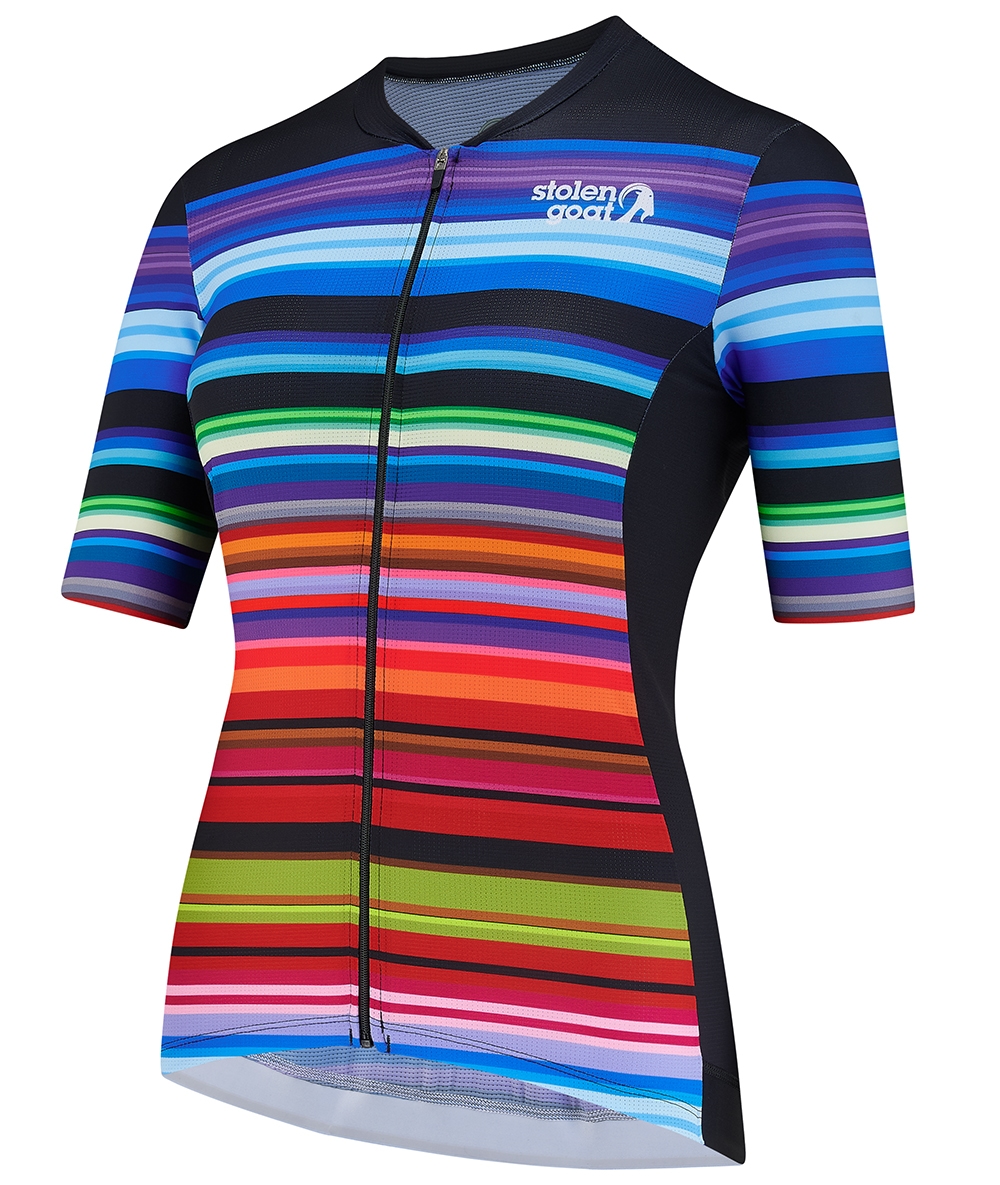
Women's Hypervelocity 25 Kalahari Advanced SS Jersey

Men's Harris 25 Ibex Everyday SS Jersey

Women's Faze Ibex Everyday SS Jersey
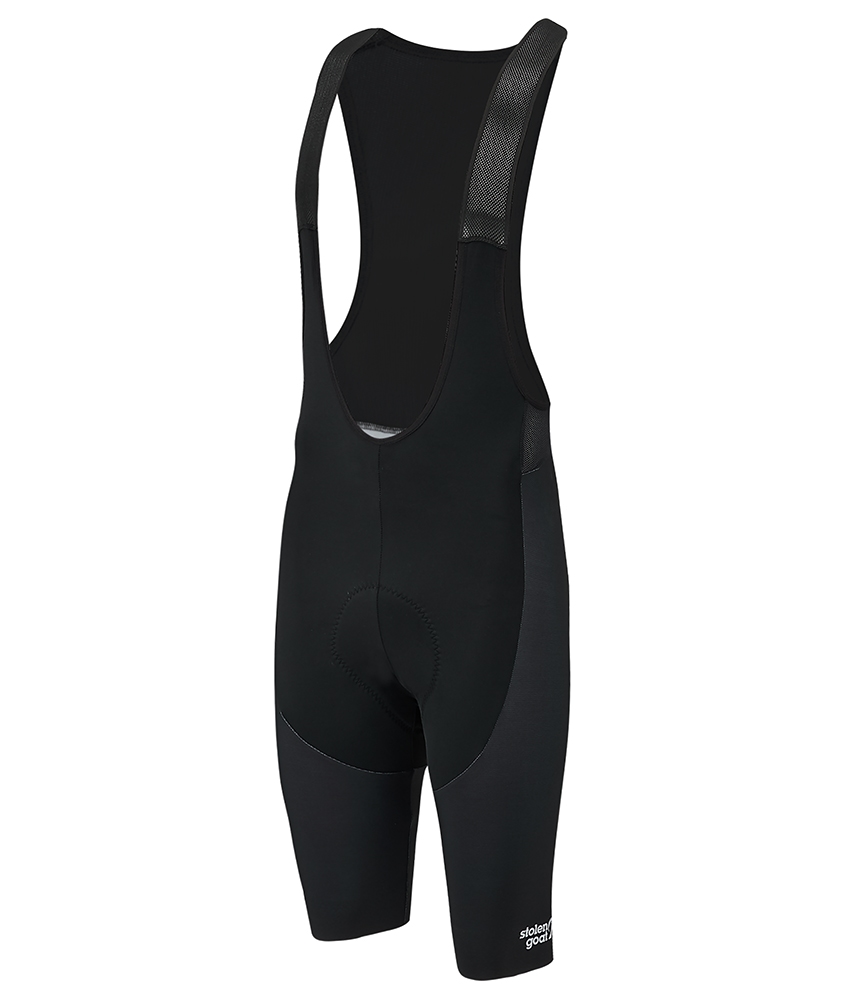
Men's Black Endurance Bib Shorts

Women's Black Endurance Bib Shorts

Men's Method Ibex Gilet

Women's Scratch Ibex Gilet
What to wear, when: seasonal cycling gear guides
- Spring cycling gear guide
- Summer cycling gear guide
- Autumn cycling gear guide
- Winter cycling gear guide