




Cycling gloves, cycling mitts… whatever you prefer to call them, they’re the bit of kit that arguably takes more abuse than almost anything else you’ll wear on the bike. Gripping the bars for hours at a time, protecting you from road rumble, the occasional unplanned scrape and mopping up the evidence of the odd failed snot rocket. Yet for some reason, cycling gloves and mitts tend to be an after thought.
And if you ask us, that’s a shame. Because the right pair of cycling mitts or gloves will make a noticeable difference to how comfortable your ride feels. No more sore palms or numb fingers, just ride all day comfort and another excuse to add to your ever-growing cycling wardrobe in the process.
In our cycling gloves guide, we’ll talk you through the differences between cycling gloves vs cycling mitts, why you’d want to wear either of them in the first place and what features to look out for to choose the best cycling gloves for every type of ride. Whether you’re kitting yourself out for your first ever cycling sportive, or just looking to replace that battered pair of cycling mitts you’ve had in the drawer since the days when Netflix sent out actual, real life DVDs. We’ve got you covered.
Do cycling mitts actually make a difference?

The first thing you might be wondering is: do I even need cycling gloves? The answer: yes. They might look like a small, optional extra. But cycling mitts or gloves do actually serve a genuine purpose, and they make a surprising amount of difference to your comfort levels on the bike:
- Cycling mitts absorb road rumble. While you’re cycling, hours of vibration through the bars contributes to hand and wrist fatigue (and it feels pretty horrible). In extreme cases, this road buzz can actually lead to ulnar nerve compression, which can leave your little fingers tingling for days. Cycling mitts offer just enough padding in the right places to protect you from road rumble.
- They give you grip. Most good cycling mitts/gloves (more on the difference below) have grippy palm sections. This means your hands stay where you put them on the handlebars, especially when you’re sweating, getting soaked by the rain or trying not to slide off the hoods on a damp descent. Good grip = better bike handling and feeling more confident on two wheels.
- They mop up sweat and snot. A soft thumb-side panel for wiping your brow (okay, let’s be real: mopping up the remnants of a snot rocket) is the kind of detail you don’t miss until you don’t have it.
- They protect your hands if you take a tumble. Should the worst happen and you fall off your bike, your hands instinctively go down first when things go sideways. You’ll be grateful for the extra layer of fabric between your hands and the gravel.
If you ride regularly, especially over longer distances, a good pair of cycling mitts will seriously upgrade your comfort on the bike.
Cycling mitts vs cycling gloves: what’s the difference?
People use the terms a bit interchangeably, so let’s pin this down.
- Cycling mitts = fingerless cycling gloves. Sometimes called “summer cycling gloves” or “short finger cycling gloves”. Lightweight, breathable and designed for warm and mild conditions on or off the road.
- Cycling gloves = full-finger. These cover everything and are built for cool, wet or properly cold conditions. Some are lightweight transitional gloves; others are full-on insulated winter weapons.
Most riders end up with at least two pairs in the drawer: a set of cycling mitts for spring/summer and a pair of full-finger cycling gloves for the colder months. If you ride year-round (looking at you, hardy commuters), three is the magic number: lightweight mitts, transitional full-finger for autumn and early spring, and a pair of proper winter gloves for when the temperature drops well and truly into ‘character building’ territory.
How to choose cycling mitts and gloves: the key features
So that’s why you need cycling mitts and gloves. Now let’s dive into the key features to look for when you’re shopping to make sure you’ll get the best cycling gloves for the ride you’ve got planned.
1. Padding
Cycling gloves and mitts have padding on the palm to absorb any road vibrations from the handlebars. There’s a Goldilocks zone here: if the padding is too thin, you’ll feel every bump in the road. But if it’s too thick, you’ll lose feel for the bars and the brakes and risk overheating. Look for strategically placed padding, rather than a big chunky slab that makes it feel like you’re riding in oven gloves. The best cycling mitts and gloves have small, ergonomic sections of padding positioned where your hands actually make contact with the handlebars, without feeling overly bulky.
If you mainly ride on smooth tarmac, minimalist padding will do the trick. But if you’re planning to hit the cobbles, do some off road exploring or (if like most of us in the UK) your favourite local loops see you dodging potholes on rough country lanes. You might want to opt for a little more cushioning.
2. Palm grip
It’s important that the palm of your cycling gloves or mitts have enough grip to keep you on the bars, even when it’s raining. Most decent cycling mitts have either a textured synthetic palm or printed silicone stripes/dots that grip the bar tape and stop your hands sliding around. A grippy palm pays you back tenfold on a damp descent after a long climb where you’re shifting position constantly.
3. Fit and stretch
Cycling mitts should feel like a second skin: snug all over with no bunching and no pulling at the knuckles. A super-stretchy upper material is the magic ingredient. It moulds to the shape of your hand, doesn’t restrict movement and feels considerably nicer than the plasticky gloves of yesteryear.
Sizing tip: Check the size guide carefully and use measurements rather than guessing to get that snug-but-not-too-tight sweet spot.
4. Wrist closure
There are two main options when it comes to how your cycling mitts fasten.
- Velcro cuff: This is adjustable and very secure. But Velcro can dig in or fray over time, and it looks a bit bulky under a long-sleeve jersey. It can also damage your other kit if you tend to throw your mitts in the washing machine along with other items.
- Low, elasticated wrist (no Velcro): Sleek, comfortable, slips under jersey cuffs with no fuss. Relies on a snug fit at the wrist to stay put.
If you hate the faff of doing up Velcro mid-ride or just prefer a cleaner look, the no-cuff style is hard to beat. If you want a bit more adjustment, Velcro still has its fans – just be sure to fasten your gloves and make sure the abrasive side of the Velcro is fully covered before you throw gloves with Velcro fastenings in the washing machine.
5. Material and breathability
For summer cycling mitts, you want a stretchy synthetic blend on the upper that breathes well and dries fast. For full-finger gloves it depends on the season. A microfibre and cotton blend is great for cool/in-between season rides. But for winter cycling, you’ll want deep winter cycling gloves with a windproof, waterproof outer and a stretchy insulated lining.
If your hands run hot, lean lighter. If they run cold (or you ride mostly in the UK and have given up pretending it’s ever genuinely warm), have a slightly heavier pair on standby.
6. On-road vs off-road
Honestly? You don’t really need to worry about having a specific pair of cycling mitts for most off-road riding. Well-designed cycling mitts will work perfectly well on tarmac and gravel alike. The only time you might need to consider a more bespoke off-road cycling glove is if you’re doing super technical and gnarly mountain biking. You can get full-on MTB gloves which usually have armoured knuckles and are made from heavy duty fabrics to protect you against rocks, tree roots, brambles and whatever other natural obstacles you might be crashing through on the trails.
When to wear what type of cycling gloves: a quick temperature guide
This can vary depending on how warm your hands run, how intense your planned ride is and how stoic you’re feeling on any given day. But some rough rules of thumb (pun-intended) for deciding what cycling mitts or gloves to wear in different conditions are:
- Above ~12°C: Cycling mitts. Job done.
- ~5–12°C: Lightweight full-finger gloves. The in-betweeners. Great for autumn, spring and early-morning rides where mitts feel a touch underdressed.
- Below ~5°C: Proper winter cycling gloves: windproof, waterproof, insulated.
- Below freezing: Consider bolstering your winter cycling gloves with a silk or neoprene liner to really keep the elements at bay.
If you’re unsure, it’s generally more comfortable if your hands are slightly too warm versus freezing cold. Chilly hands are miserable, take forever to warm back up and make it hard to shift gears or pull the brakes. If your hands are too warm, the worst thing that’s going to happen is they get a bit clammy. In which case, you can easily whip your gloves off for ventilation at the cafe stop.
How to look after your cycling mitts and gloves
Your cycling mitts and gloves are working hard, so you’ve gotta take good care of them! Thankfully, unlike the Tamagotchis of our childhoods and the always-a-bit-dead house plants that haunt much of our adult lives, cycling gloves are very low maintenance. Here’s how to get the best out of yours:
- Wash regularly. Your mitts are going to get sweaty, grubby and if you’re not careful, a bit stinky. So pop them in with the rest of your kit on a 30°C wash. Use a mild detergent, and ditch the fabric softener (it gunks up the stretchy fibres). If you’ve gone for mitts with a Velcro fastening, make sure you’ve secured this so the abrasive section won’t damage your other kit (or use a laundry bag).
- Air dry. Skip the tumble dryer. Heat is the enemy of stretchy synthetics and silicone palms, and your mitts will dry quickly anyway.
- Don’t scrunch them up wet. Damp mitts left balled up in your kit bag will start to smell within hours and start developing their own eco system in a few days. Unless you want a little glove monster making its own way across your living room, hang them up the moment you get home.
- Rotate. If you ride several times a week, two pairs in rotation will outlast a single pair washed three times a week.
Stolen Goat cycling gloves and mitts: Our range explained
Cycling mitts and gloves are obviously very functional bits of cycling kit. But in our Herd, we think functional shouldn’t have to mean boring looking. Which is why we’ve got a range of cycling mitts and gloves which perform perfectly, and look awesome too.
We make cycling mitts and gloves for the same reason we make everything else — because we’d rather wear our own kit than anyone else’s. Here’s a quick tour of the line-up.
Everyday Mitts
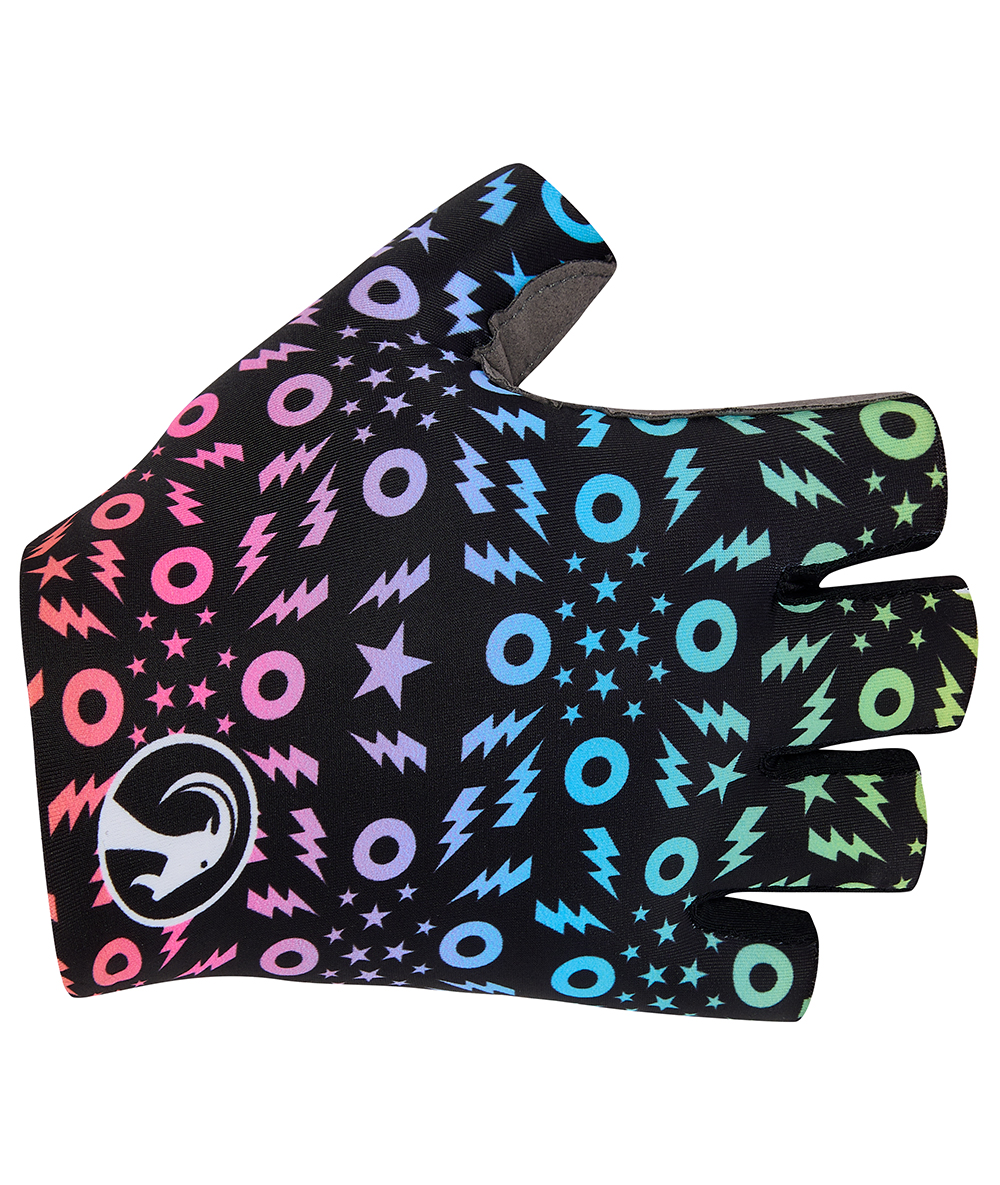
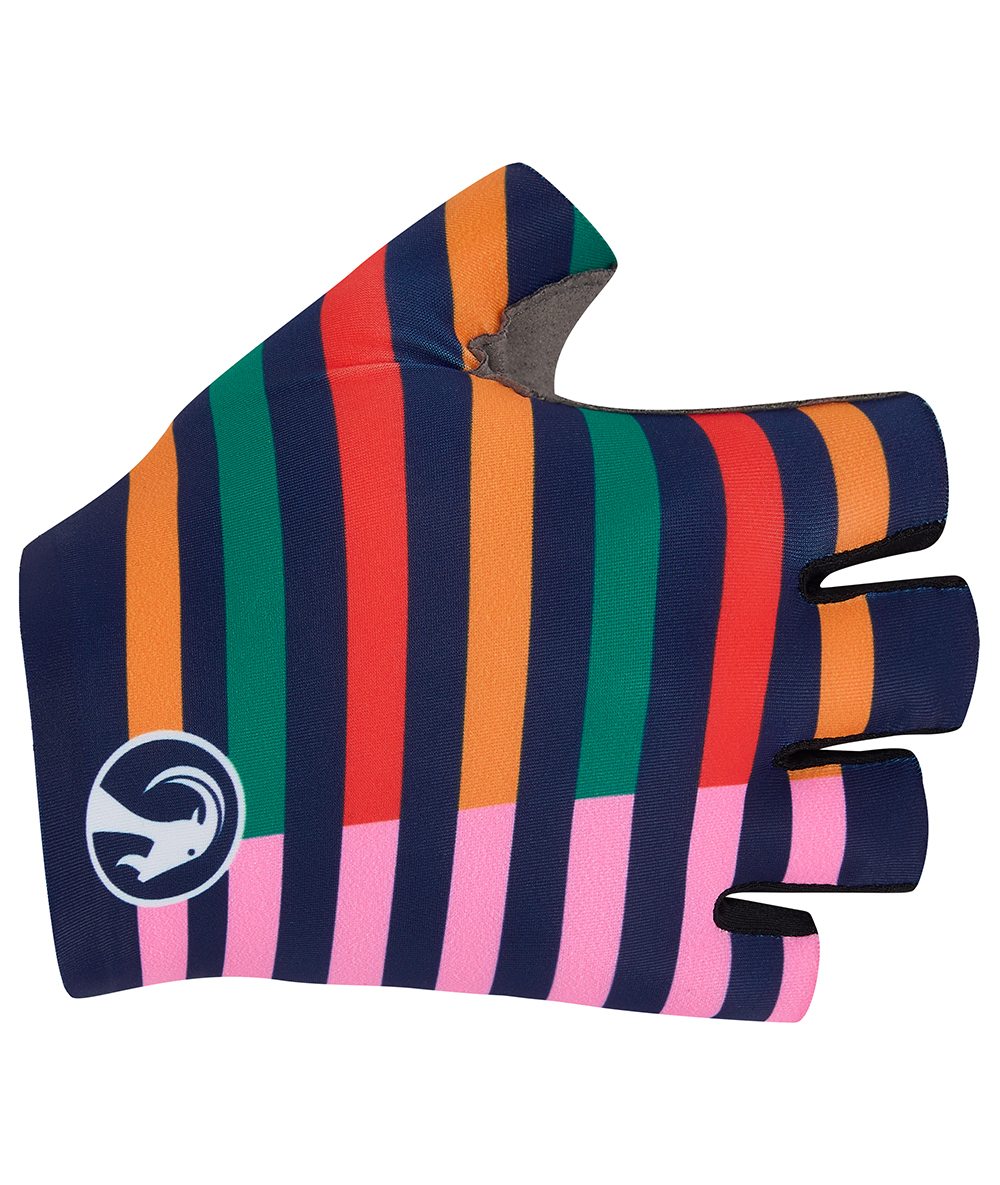
Your go-to choice for spring and summer rides. The Stolen Goat Everyday cycling mitts are built around a super-stretchy upper for max comfort, a grippy anti-slip palm with strategic padding, and a low, no-Velcro wrist that slips cleanly under any long-sleeve jersey. Lightweight, breathable, suitable for on or off-road rides. The all-rounder you need in your kit drawer. Choose between our bold statement designs, like Batiste and Socket Shadow, or stunning block colours and gradient fades.


Climb & Conquer winter cycling gloves
Once famously referred to as ‘apocalypse proof cycling gloves’ by a member of the Stolen Goat Herd, our much-loved Climb & Conquer winter cycling gloves sell out season after season. Designed to keep you riding through the winter months, these winter cycling gloves are made from a waterproof, windproof fabric which maximises warmth and weatherproofing while minimising bulk. The result? The ultimate winter cycling gloves which keep your hands warm, without compromising on manoeuvrability or feel for the handlebars. Most of our customers find these gloves warm enough on their own for all their winter rides, but if you suffer with particularly chilly hands you can also easily add a thin liner underneath for extra protection. Stock tends to move fast on these, so even if you’re reading this in the middle of summer – our advice would be to get yours as soon as you spot your size in stock to make sure you’re geared up for winter!

Lightweight full finger cycling gloves
Our lightweight full finger cycling gloves are the go-to choice for between seasons riding – we’re talking autumn and early spring, when it’s a bit too nippy for fingerless mitts, but not quite cold enough to need your full winter gloves. These gloves are made from a lightweight, microfibre and cotton blend, with a stretchy upper, a grippy palm with strategic padding and the same snug-but-comfy no Velcro wrist cuffs.


Cycling mitts FAQs
Are cycling mitts worth it?
If you ride more than occasionally, absolutely. Better grip, less hand fatigue, sweat-mopping superpowers and proper protection if you ever go down. Compared to most cycling kit, they’re also relatively cheap — so the upgrade is a no-brainer.
Can I just use normal gardening or work gloves?
You can, and people have been doing it forever — but they’ll be hot, bulky and lacking the grip and padding that’s designed specifically for the bars. Once you’ve ridden in a proper pair of cycling mitts, you won’t go back.
When should I switch from mitts to full-finger gloves?
Around the 10–12°C mark for most riders, though it varies wildly. The classic giveaway is your fingertips starting to ache or numb out about 20 minutes into a ride. If that happens, it’s time to bring out the full-finger gloves.
How tight should cycling mitts be?
Snug like a second skin, but with no pinching, bunching at the knuckles or pulling at the wrist. You should be able to make a fist comfortably and operate brakes and shifters without thinking about it. If your fingers tingle when your hand is relaxed on the bar — they’re too tight.
Should I wash my cycling mitts?
Yes, regularly. They live a hard life. A 30°C wash with mild detergent and an air-dry will keep them grippy, stretchy and pleasant to put on.
Do I need different mitts for road and gravel/MTB?
For most riders, no. A versatile pair of cycling mitts with a grippy padded palm and stretchy upper handles tarmac, gravel and light trail use just fine. Only consider dedicated MTB gloves if you’re riding properly technical singletrack where knuckle protection earns its keep.
Find your perfect pair
Whether you’re after a versatile pair of cycling mitts for the warmer months, a transitional glove for those tricky in-between rides, or a proper set of winter weapons for when the weather turns — there’s a pair in the Stolen Goat range with your name on it.
Stock tends to move quickly around these parts, especially in the design-led colourways — so if you spot something you like, get your hooves on it before it disappears. Whatever the ride brings, your hands deserve better than freezing fingers and sore palms. Go look after them.
Looking for more kit advice? Check out our guides to choosing cycling socks, winter cycling gear and autumn riding essentials.