The heat is on… and suddenly your easy pace feels exhausting, your heart rate is through the roof on all your runs and rides, and that race day PB you had your eye on slips further away – one drop of sweat at a time. Sound familiar? Training and racing in hot conditions is tough, there’s no doubt about it. But there are plenty of things you can do to get your body heat acclimated for a hot weather race, or to make your every day rides and runs a little more bearable during a heatwave. Get top tips on heat training from long distance triathlete Jen Lucas-Hill who’s been there and done the heat prep after completing the infamously hot and humid Ironman World Championship in Kona, Hawaii.
Jump to…
- Why does exercising feel harder in the heat?
- Prepare for a hot race: heat acclimation tips
- How to calculate your sweat rate
- How to make cycling and running in hot weather more bearable
- Heat exhaustion: the red flags you need to know about
- Hot weather cycling kit and running gear
Why does exercising feel so much harder when it’s hot?
It’s not just the sweat in your eyes and the increased chafing that makes working out in the heat feel tough. Heat places significantly more physiological demand on your body, which means you’ll experience an increase in perceived effort and a decrease in aerobic capacity. Put simply, that means you’ll feel like you’re having to work much harder just to hit the same (or slower) paces that you would in cooler conditions. So why is that? Let’s take a closer look at what’s happening in your body when you train in the heat, and why that makes everything feel that much harder.
Your body prioritises cooling
First up is the fact that in hot conditions, your core temperature is going to rise significantly faster. It’s already hot outside, and when you start biking or running there’s a thermogenic effect which just ramps up your body’s heat levels. We’re complex machines, and all the cells and enzymes in our bodies require a pretty small and specific temperature range to function properly. Without turning this into a full biology lesson, essentially your body has several mechanisms in place to try and maintain balance (i.e. homeostasis) and keep you functioning.
Usually when you start exercising, the body prioritises sending blood flow to the muscles and key organs (think heart and lungs) to facilitate the effort. But when you exercise in the heat, it also needs to prioritise keeping your core temperature in a safe range. That means blood flow gets diverted towards the skin surface for cooling. This means your cardiovascular system is having to work harder (a bit like a computer having to run two load-heavy applications at once) so your heart rate is elevated and your aerobic capacity is reduced. You start to produce lactate sooner which begins to accumulate and the acidic hydrogen ions cause the burning sensation in your muscles that causes you to slow down.
Your sweat rate increases
Alongside diverting blood flow to the skin surface, the body also starts sweating sooner and more profusely when we train in hot conditions. Again, this is to help with cooling – the evaporation of the sweat from your skin has a cooling effect. But it also means you’re losing fluid and vital electrolytes at a much faster rate than you would in cool conditions. Your muscles need these electrolytes for optimal contractions, so at best your training efforts feel harder and at worst you start to cramp up.
Perceived effort and the self-preservation effect
We all know that endurance sport is as much of a mental game as it is a physical game. Our brains are constantly monitoring our internal and external environments and trying to keep us safe. The increased physical demand of training or racing in the heat will ramp up your perceived effort. That means your brain is going to start telling you ‘hey, this is hard we should probably stop’ much sooner than usual – because it’s trying to stop you pushing yourself into the red zone of heat exhaustion. Training in the heat is mentally tougher, as well as physically more demanding.
How to prepare for a hot race
All of that means that without adequate preparation, it’s normal to experience a drop in sports performance when you’re training or racing in hot conditions. But the good news is, our bodies are also very good at adapting – so with the right preparation, you can still perform well in the heat. If you’ve got a summer race coming up, below I’ll share some insights on how you can acclimate to the heat based on my own experience of preparing for the (incredibly hot and humid) Ironman World Championship in Kona, while having to train in the not-so-hot-and-humid UK.
Not planning to race in the heat? You can skip this part and head down to my tips on how to make your bike rides and runs more bearable when a heatwave sweeps in.
How long does it take to heat acclimate?
Our bodies are pretty good at adapting to our environment. Typically, after 7-10 days of consistent heat exposure your body will start to adapt to hot conditions. Blood plasma volume increases, as does heart stroke volume (the amount of blood pumped per beat) and the number of red blood cells. That means your body has become more efficient at delivering oxygen to the muscles and directing blood to the skin surface for cooling. Your body also becomes much more efficient at sweating: you’ll start sweating much earlier, but the sweat is more diluted – the sweat glands are much better at reabsorbing electrolytes so you’re not losing as much through sweat. This increase in efficient sweating also means the body isn’t quite so reliant on blood near the skin surface for cooling.
In real terms, this means after spending a week or so training and living in hot conditions you’d notice your working heart rate starts to lower and the perceived effort feels more tolerable. The effects of heat training also last for a week or so after the heat stimulus, so you can build up your heat tolerance over time. But not all of us can jet off someplace hot for 10 days at a time over a few months as we get ready for a race. And training in the heat comes with quite a high physical ‘cost’ – so when you’re already supposed to be tapering down for race day, you don’t exactly want to go and do a week of really hard heat training right beforehand. That’s a sure-fire way to reach the start line exhausted. Which is where learning how to do heat prep at home, in incremental bursts, comes in.
How to do heat prep at home
As much as it would have been optimal for me to go off on a couple of hot weather training camps in Lanzarote in the build up to the Ironman World Championship in Kona last year, it just wasn’t feasible. Which meant I had to prepare for a race which is famous for being insanely hot, and ridiculously humid while constantly being blasted by the icy cold north sea winds that come with living on the Suffolk coast in the UK. Great. The good news is, if you’re in a similar position, you can actually do a solid amount of heat preparation at home without having to buy any expensive gadgets (there are plenty of gimmicks out there) or build a heat chamber in your back garden.
Heat prep at home: active methods
First let’s talk active heat prep methods. Obviously, when the weather was warm, I made a point of getting out and training during the hotter parts of the day (in direct contradiction to the advice I’d give to anyone not trying to get heat adapted!). But for the most part, my heat prep had to happen indoors. I did this in several 3-4 week blocks, with 1-2 weeks in between to avoid putting too much stress on my body that would have left me vulnerable to injury or sickness. I also chose to do most of my heat prep on the bike, again as this is slightly less physiologically stressful compared to running.
I started out with 30 minute turbo trainer rides, with the windows closed, no fan and wearing a jacket over a full cycling kit. I built this up to 60 minute steady rides, and I also added a ski headband and a pair of full-length leggings to up the anti. As you can imagine, I looked sassy and fabulous and not at all sweaty and feral… After a couple of blocks getting used to being uncomfortably hot and sweaty on these steady-state indoor rides, I then started to add in some intensity to drive the adaptations further. This started with blocks at my target race power (which, given it was for a 180km Ironman bike ride, wasn’t super high) and then progressed into a few over-under sessions pushing just above race power and just below it for longer intervals. You don’t want to do your high intensity threshold or VO2 max work in a heat prep session, the risk is high and the juice just isn’t worth the squeeze.
Was it fun? No. Was it pretty? Absolutely not. And the jacket I wore for these sessions (despite always being washed immediately) will never be the same again. But with each block, my heart rate got lower and the perceived effort came down. I got used to being uncomfortable which meant that panicky ‘bleating hell this is absolutely horrible’ panic from the early days settled down. Mental toughness: levelled up.
Key takeaways for active heat prep at home:
- Utilise indoor training so you can control the environment
- Keep the windows closed and ditch the fan
- Layer up with additional clothing once you’ve started to get initial adaptations
- Start short and easy. Build up to longer sessions, but your heat prep sessions should never be super high intensity.
- Hydrate well and use the sessions as a chance to test out race nutrition.
- Tick off your active heat prep in shorter 2-3 week blocks with 1-2 weeks in between, ideally starting 4-6 months prior to your event and finishing (at the latest) 10 days before so you’re adapted, but not depleted.
Passive heat prep methods
Passive heat prep is just being in hot environments, without actively training. This will drive some adaptations, but I personally think this is most useful for training your mind to cope with hot conditions and get comfortable with being uncomfortable. Passive heat prep can include spending time in the sauna and the steam room if you have access to either of these, or taking a warm bath after training instead of a cool shower.
A word of warning: heat prepping safely
It goes without saying, you need to be careful when you’re doing heat prep. If you have any underlying medical conditions (such as high blood pressure, heart conditions etc) or you’re taking medication that can affect your sweat rate or thermoregulation then make sure you speak to a medical professional to get tailored, expert advice. Whether you’re doing passive or active heat prep, it’s important to know the signs of heat exhaustion (more on this below), not to push beyond your limits and to let the adaptations come slowly.
How to use your heat training sessions to calculate your sweat rate and fluid requirements for race day
Your active heat training sessions aren’t just a great opportunity to help your body to become more efficient at performing in the heat. They’re also a brilliant opportunity to dial in your race day nutrition and hydration. Heat can affect how your stomach absorbs fuel, so use the longer sessions to test out what you can tolerate. But you can also use these sessions to calculate your sweat rate, so you have a much more specific idea of how many litres of fluid you need to target during your race. That might sound complicated, but it’s actually really easy to do at home.
How to calculate your sweat rate at home
Step 1: Take a whizz, weigh yourself and your fluids
- Empty your bladder
- Weigh yourself (ideally without any clothing on)
- Make a note of your pre-session weight
- Fill your bottles and weigh them (so you’ll know exactly how much you drank later)
Step 2: Do your workout (and don’t use the bathroom during the workout)
Step 3: Weigh yourself and your bottles post-workout
- Again, do this in the nude
- Towel off any excess moisture on your skin but don’t use the bathroom until after you’ve weighed yourself
- Make a note of your post-session weight
- Weigh your bottles after the workout.
Step 4: Do the math!
- First, calculate your in-session weight loss: pre session weight – post session weight = weight loss
- Then, calculate your fluid intake: pre session bottle weight – post session weight = fluid intake
- Next, calculate your sweat loss: weight loss + fluid intake = sweat loss
- Finally, get your sweat rate: sweat loss divided by exercise time in hours. This figure will tell you the number of litres of fluid per hour you want to try and target.
Example equations for a 90 minute session:
Weight loss: 54kg – 53.2kg = 0.8
Fluid intake: 1000g – 400g = 0.6
Sweat loss = 0.8 + 0.6 = 1.4
Sweat rate: 1.4 / 1.5 = 0.93 litres per hour.
Repeat this over a few different sessions with varying intensities, and note how your sweat rate changes over time.
Does heat training improve athletic performance?
Yes! The physiological adaptations you get from heat training don’t just make it easier for you to keep the pedals turning and hold your pace in hot conditions. By improving your aerobic efficiency and optimising your body’s ability to thermoregulate, heat training can actually lead to performance improvements when you race in cooler conditions. But that doesn’t mean we should all be ticking off gnarly heat training blocks even if our A race is going to be on a cool spring day in the UK. Heat training is mentally, and physically, challenging so it should be used sparingly and strategically.
Not trying to get heat adapted? How to make cycling and running more bearable in hot weather
Heat prep is all fun and games. But what if you’re just trying to keep up the consistency and enjoy your rides and runs in the midst of a heat wave? If you don’t need to force your body to get heat acclimated – you don’t have to. Next, I’ll share some tips on how to make training more bearable when a heatwave strikes.
Train during the coolest part of the day
The biggest mistake you can make during a heatwave, if you’re actively trying to avoid working out in hot conditions, is heading out later in the day. Set that alarm and get out there early for your bike or your run before temperatures peak. It might still be warm, but it’ll be significantly cooler compared with mid-late afternoon.
Get strategic with your route planning
Shade is your best pal when it comes to training in hot conditions. Think about your route carefully, and consider heading off road. Tree-lined trails and shady woods are going to be much cooler compared to unsheltered tarmac with the sun beating down on you (and the tarmac reflecting the heat back up at you).
Start hydrated, and stay hydrated
For any training session, but especially in hot conditions, your hydration strategy needs to start before you’re even thinking about heading out of the door. Consider pre-loading with electrolytes by having a 500ml bottle of fluid with electrolytes with dinner the night before your session, and doing your best to get a similar amount down the hatch before you head out. If you’re thirsty before you even start, you’re just going to be fire fighting.
Once you get going, keep taking small but regular sips of fluids. For runners, consider using a hydration back pack, asking a friend to ride next to you carrying an extra bottle or planning your route as multiple short loops so you can hide a bottle in a bush (yep, that’s a thing!) and grab a sip each time you go by.
Replenish with fluids and carbohydrates when you finish. I personally love a post-long run protein smoothie for this because it ticks every box. I make mine with frozen berries (for carbohydrates), a scoop of protein powder and ice cold water. It’s delicious, quick and easy (so you can get it down right away) and it hits the spot straight after a tough session. This will help to replenish lost fluids (though do keep sipping throughout the rest of the day) and it’ll fuel your recovery. A winner all round.
Manage your effort and your expectations
Training in the heat is hard. We’ve established that. So just accept that you’re going to have to slow down. Now is not the time to be trying to set any personal records. Set off easier than you think you need to – you’ll be grateful for it later on. Heart rate data is useful here because it gives you a real-time insight into how your body is coping with the stress of exercising in the heat. Look back at other similar sessions in cooler conditions to get an idea of what your normal average heart rate would be at the prescribed intensity. Then try and stay at or below that average (even if it means you slow down significantly) to work within the same energy zone while training in the heat. Trust that you’ll be faster again when conditions are cooler (or as you adapt).
Wear the right gear for riding and running in hot weather
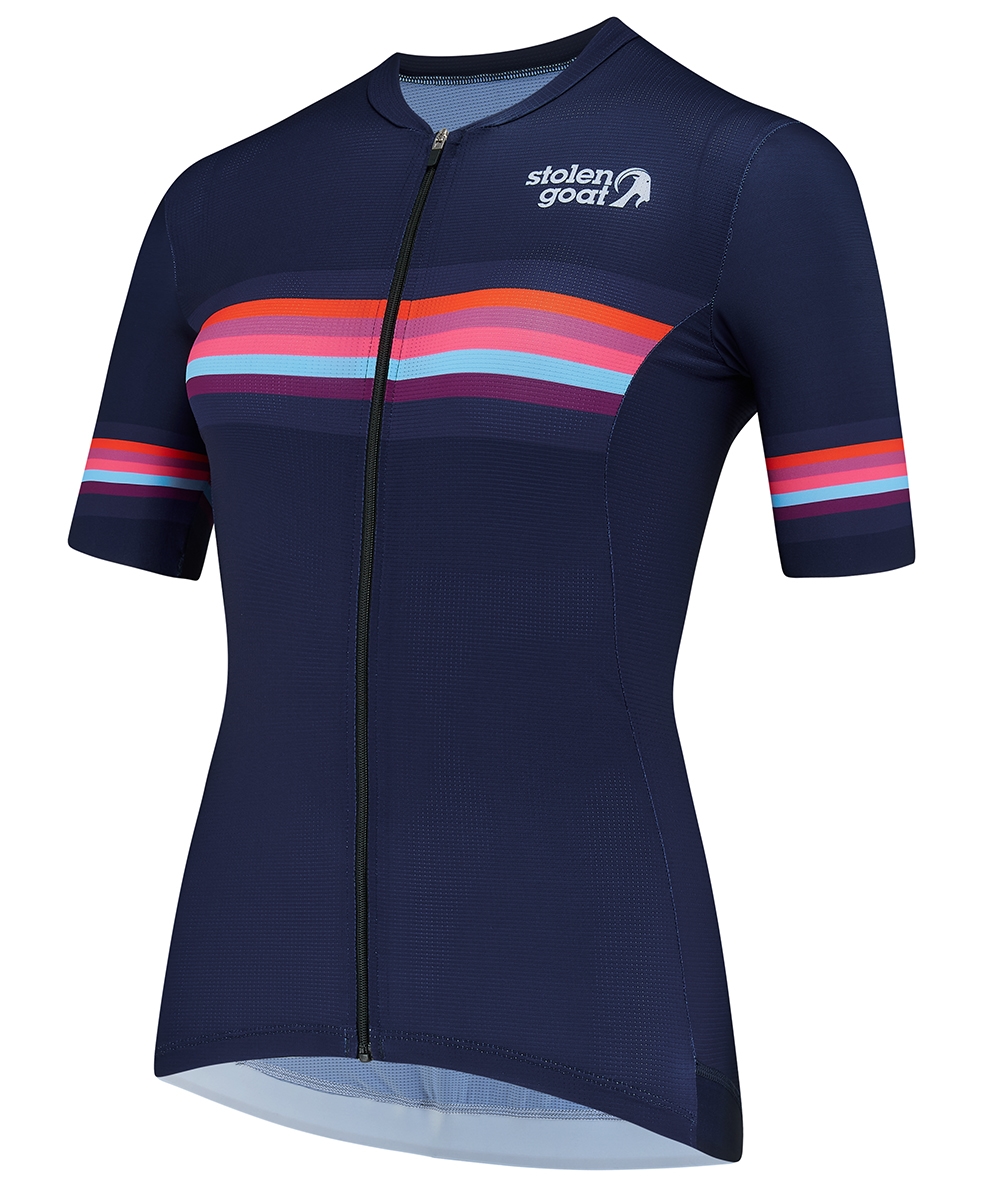
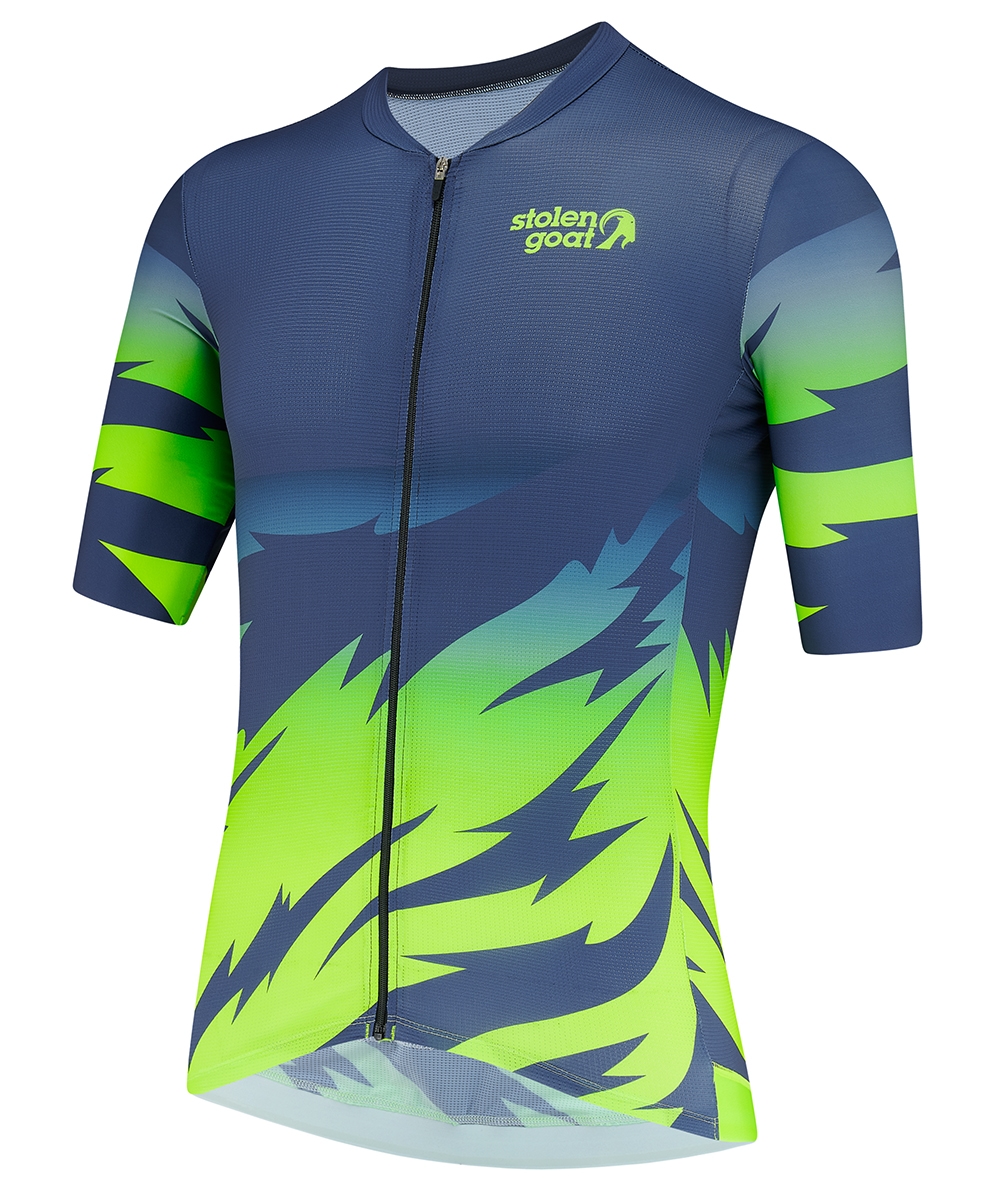
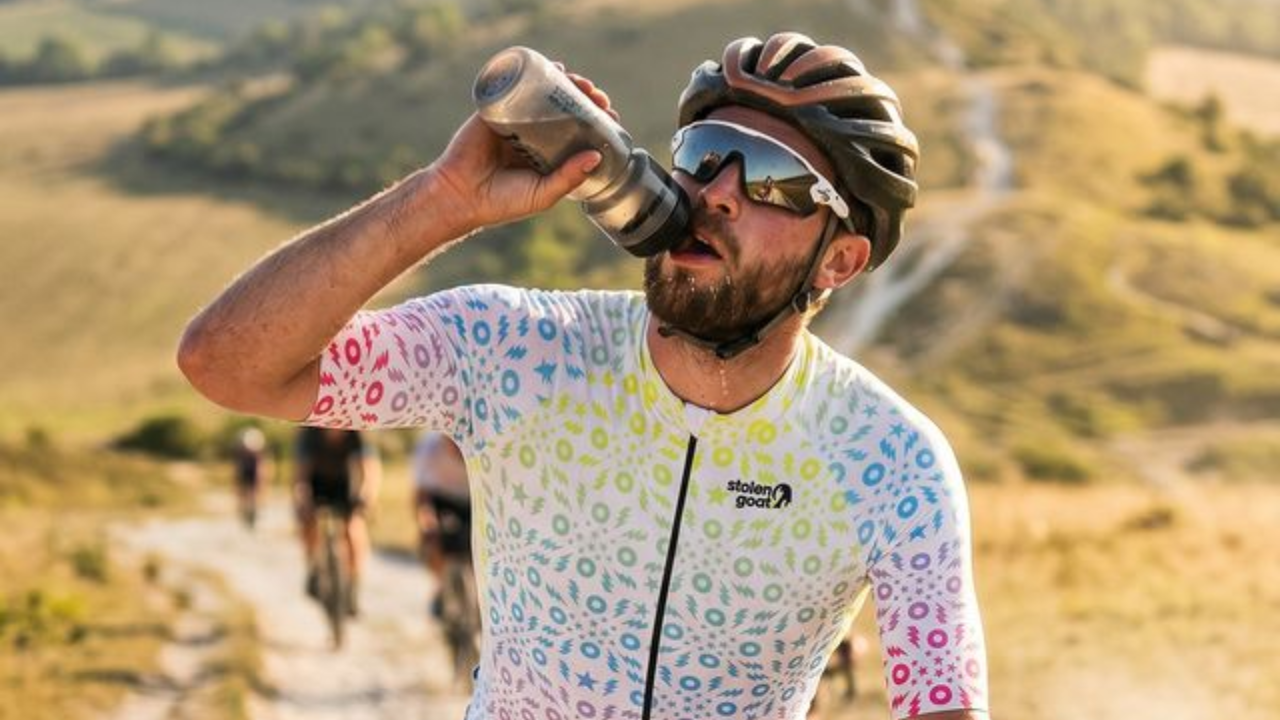
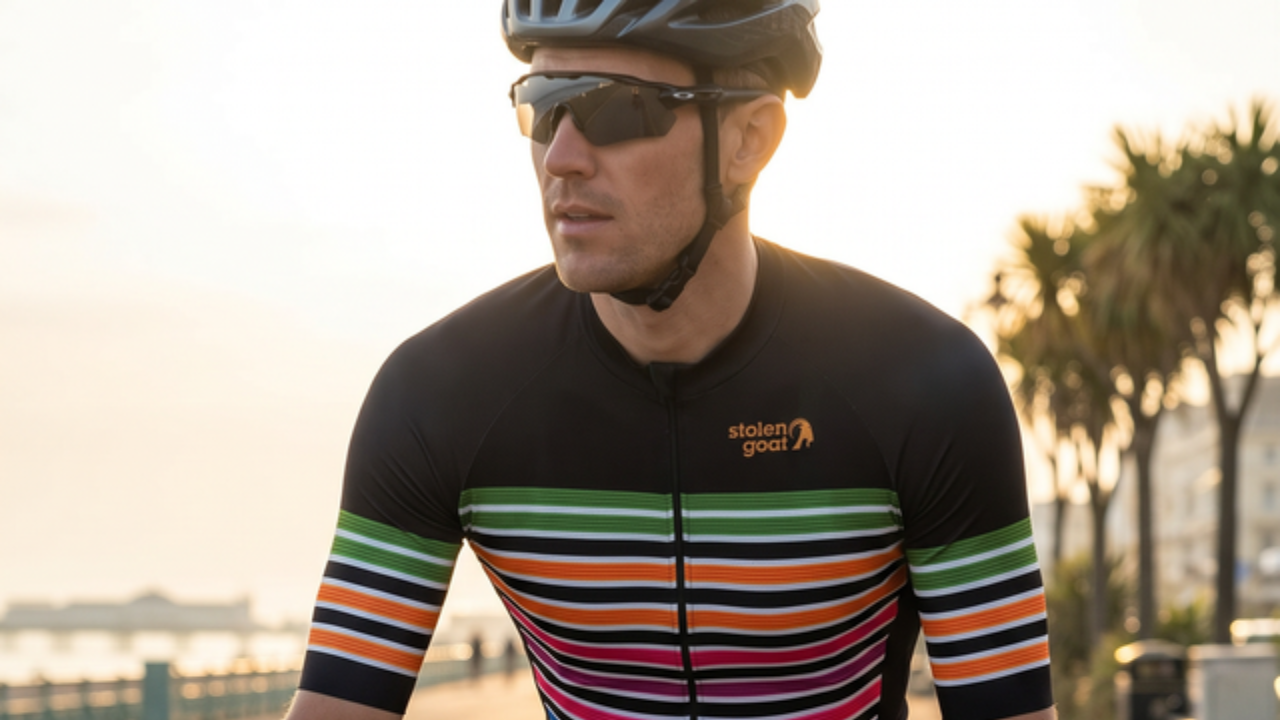
You don’t want to make it any harder than necessary for your body to cool itself. Look for ultra-lightweight, breathable and fast-drying materials. Our spring/summer Every Day Ibex cycling jerseys will perform perfectly in warm conditions, but when the heat is really on you could also consider treating yourself to one of our dedicated hot weather cycling jerseys from our Kalahari range.
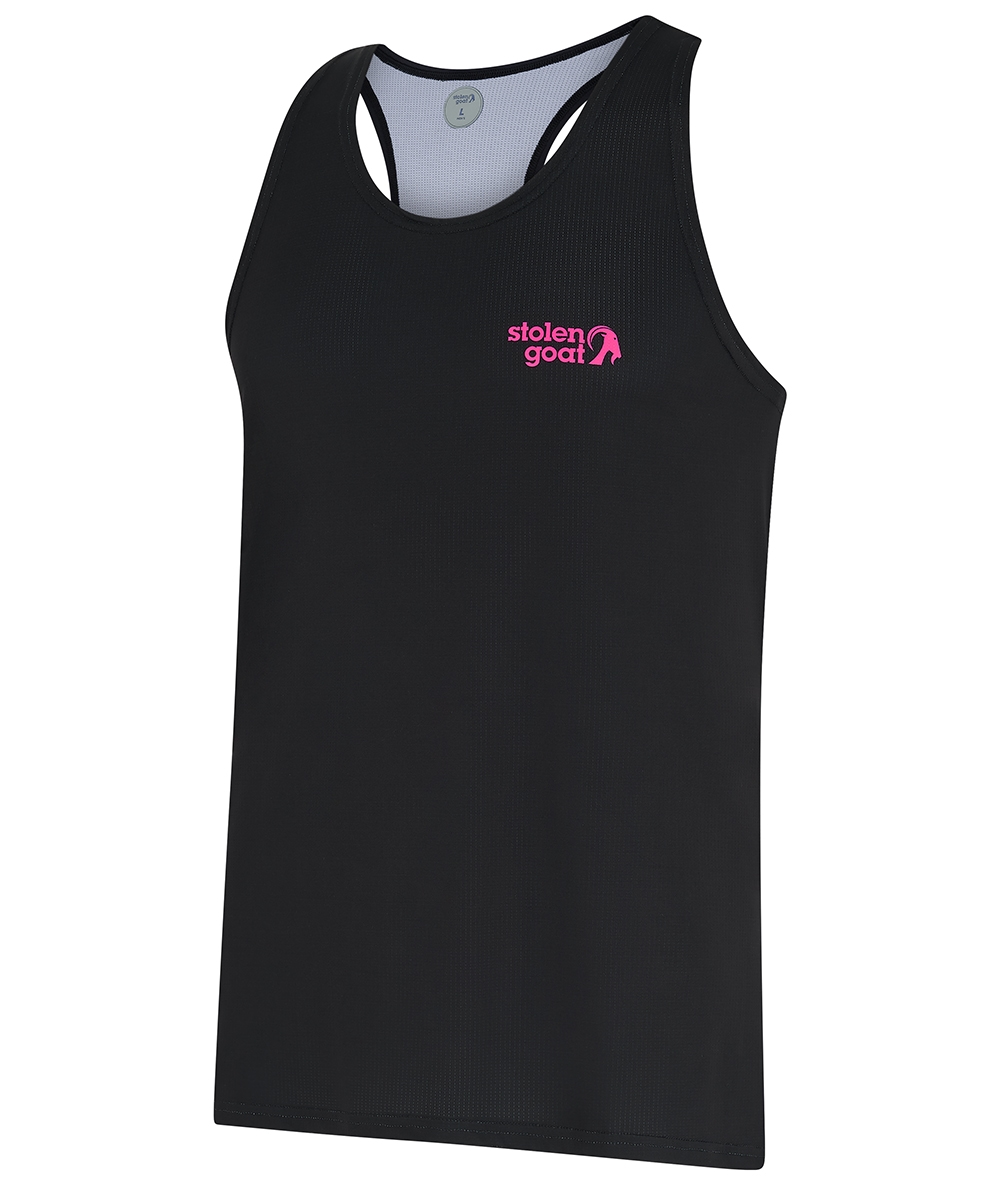
Runners: we’ve got you covered too. Our run vests are so lightweight you’ll forget your wearing it. We’re talking Ned Flanders ‘it’s like I’m wearing nothing at all’ levels of hot weather comfort. Remember that chafe can also be much more of a factor in hot weather because of the increased moisture from sweat. Check out our in-depth guide on how runners can avoid chafing for a few handy tips!
Use a sports-specific sunscreen
I read a literature review a while back that found an alarming number of runners either don’t wear sunscreen at all, or don’t actually apply enough to offer them adequate protection. I get that sunscreen can feel horribly slimy and clammy when you’re training. But it really is a non-negotiable (yes, even if you don’t burn – UV rays can still cause underlying skin damage). As endurance athletes we’re spending large amounts of time outdoors, so protecting your skin from the sun is crucial. Use a sports-specific sunscreen – it’ll be breathable, water-resistant and sweat-resistant. Many of them are also designed to be long wearing (6-8 hours) so you can tick off a longer ride or run without having to reapply.
Signs you need to stop training or racing in the heat: the red flag signs of heat exhaustion and heat stroke
Heat-related illness is not something you want to mess with. Last year in Kona, Taylor Knibb looked set to become the 2025 world champion. She was leading the race one minute, and then staggering around and ultimately crashing out on the side of the road the next. When you push past your limits, things get ugly. So if you’re planning to train and race in the heat it’s important to be aware of the signs of heat exhaustion and heat stroke.
Exercise-related heat exhaustion can be a precursor to heat stroke. And because some of the early symptoms (rapid heart rate and heavy sweating) can be easy to miss when you’re already exerting yourself, it can become a problem quite quickly. Other symptoms to be aware of include dizziness, nausea/vomiting/diarrhoea, headaches, cramping, muscle weakness and coordination issues. If this progresses into full heat stroke, neurological symptoms can come into play including confusion, disorientation, hallucination, loss of balance and coordination and in extreme cases, loss of consciousness and coma.
What to do if someone is exhibiting signs of heat exhaustion
Regardless of whether it’s just a training day or it’s race day, it’s important to stop and take steps to cool down if you start experiencing symptoms of heat exhaustion. No finisher medal or box ticked on your training plan is worth risking your health for.
If someone is experiencing heat exhaustion, the NHS recommends that you should:
- Move them to a cool place
- Get them to lie down and raise their feet slightly
- Ensure they drink plenty of water and/or a sports drink.
- Take steps to cool their skin such as damp sponges and a fan.
- If the person does not begin to feel better within 30 minutes or is showing signs of more serious heat stroke (such as loss of consciousness, a temperature over 40C, shortness of breath, seizures) then do not hesitate to call the emergency services.
Visit the NHS website for more information on heat exhaustion.
FAQs/Quick-fire re-cap
- Why does exercising in hot conditions feel harder?
Heat places increased demands on the body. Blood flow is diverted to provide cooling, and an increased sweat rate means you lose more electrolytes. This means the cardiovascular system has to work harder, and you can experience muscle cramps. - What is heat acclimation?
In sport, heat acclimation is a process exercising in controlled, hot conditions to stimulate the necessary physiological adaptations that will improve your heat tolerance and sports performance in hot conditions. - How long does heat acclimation take?
In sustained hot conditions, most people start noticing improvements within 7-10 days. - Does heat training improve athletic performance?
Yes. Heat training helps the cardiovascular system to become much more efficient, and prompts the body to improve its ability to thermoregulate. Over time, the adaptations of heat training can lead to improved endurance performance. - How much to drink during a hot running event or cycling race?
This will depend on your personal sweat rate. You can calculate this by weighing yourself before and after a session (adding on the weight of any fluids you drank during) to calculate your sweat loss, then dividing this figure by the time you were working out for in hours to get your litres per hour recommendation. - How to make exercising in hot conditions more bearable?
Start as early as possible before the day heats up. Ensure you hydrate well the night before, and the morning of your workout. Wear breathable, sweat-wicking clothing. Plan a route with as much shade as possible. Reduce the intensity of your session and work to heart rate instead of pace to keep it controlled.
Cycling and running apparel for hot weather
Need some hot weather cycling and running kit? We’ve got you covered. Check out some of our top picks for when the heat is on below and read our full summer cycling gear guide for more tips on what to wear for cycling in hot weather.